
Amalfi & Positano
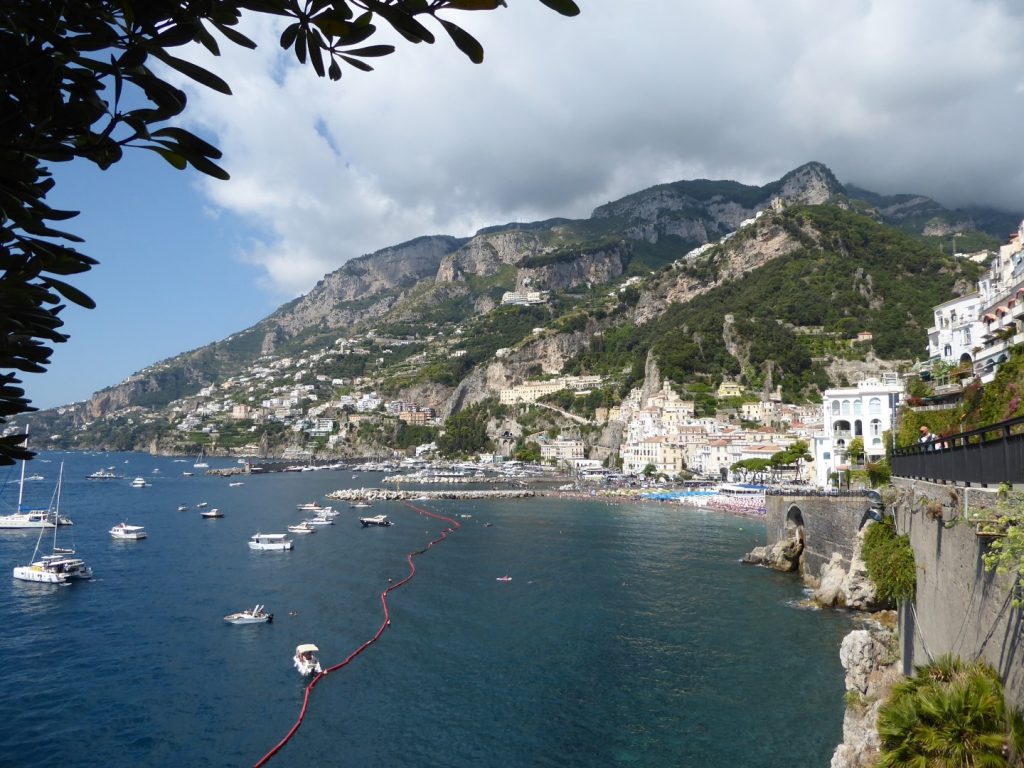
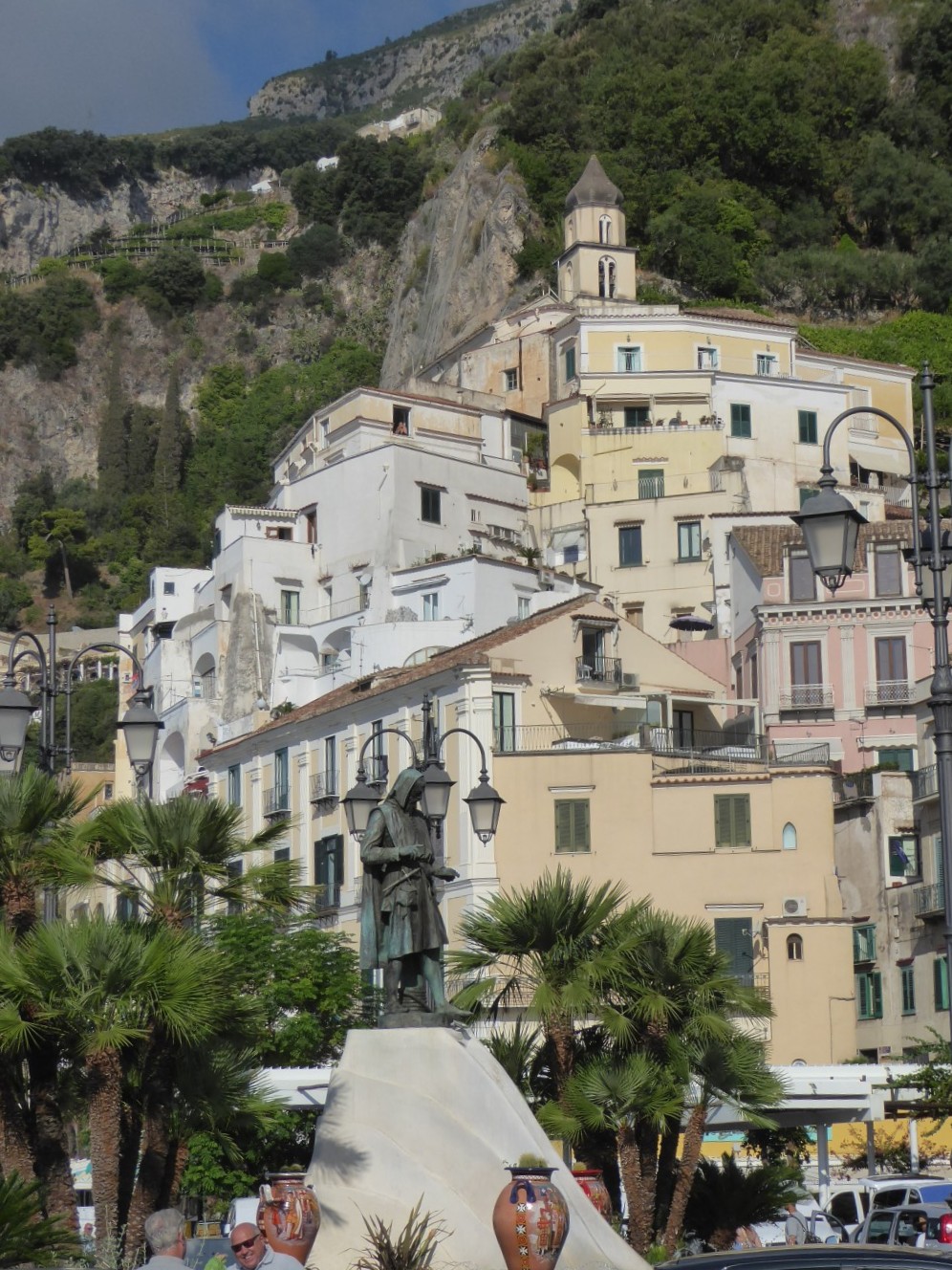
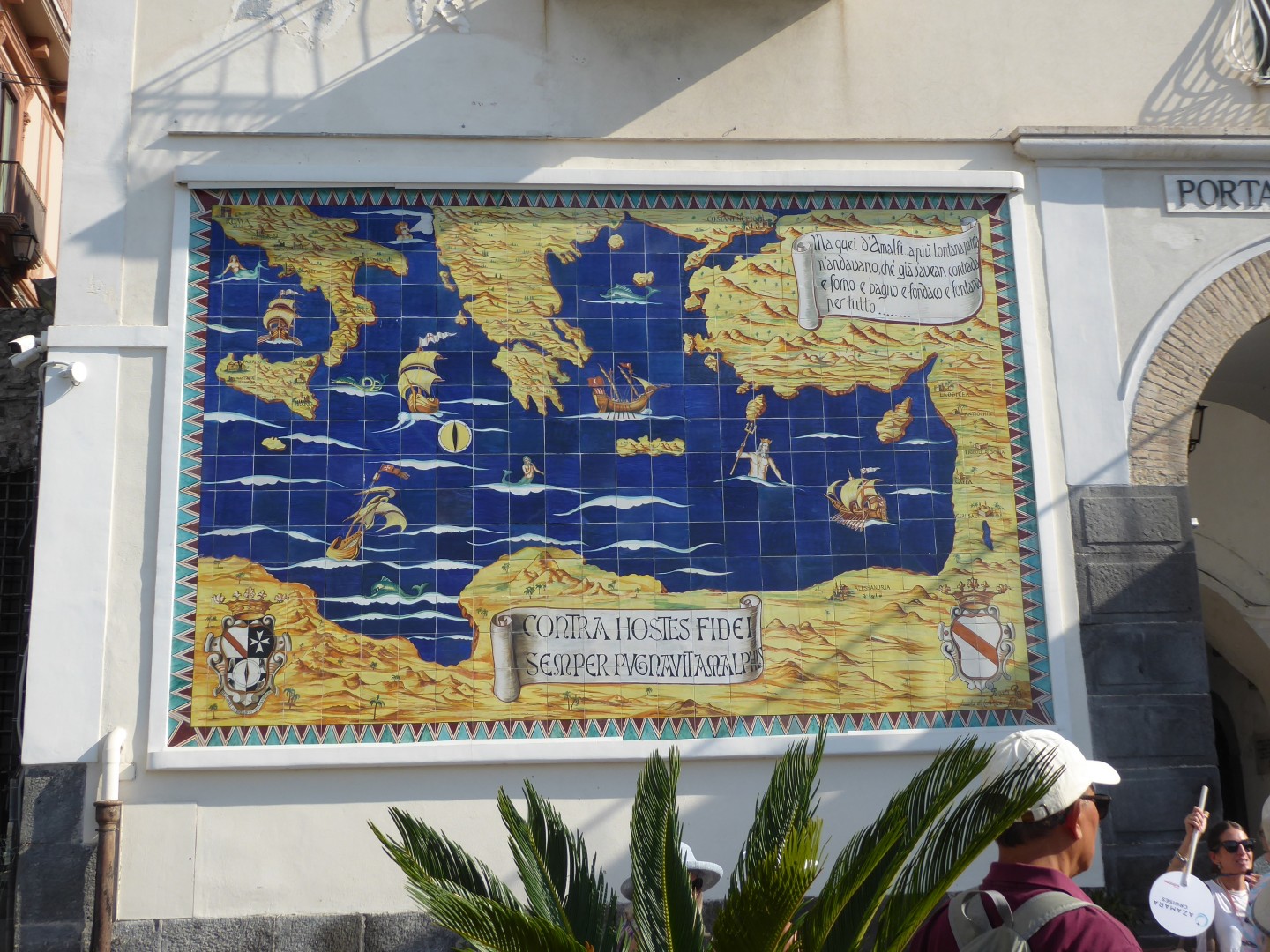
Amalfi’s history goes back a long way as a significant trading port. However after a Tsunami in the 14th century wiped out the port, it fell into decline. Since the 19th century it has been popular with visitors, to the extent that now there are far too many tourists for the town to cope with properly. No new buildings are allowed in the region and the winding narrow roads are inadequate. Apparently when we went, it wasn’t even the busy season as many avoid the hot months of July & August.
Amalfi Coast 2025 Photos:
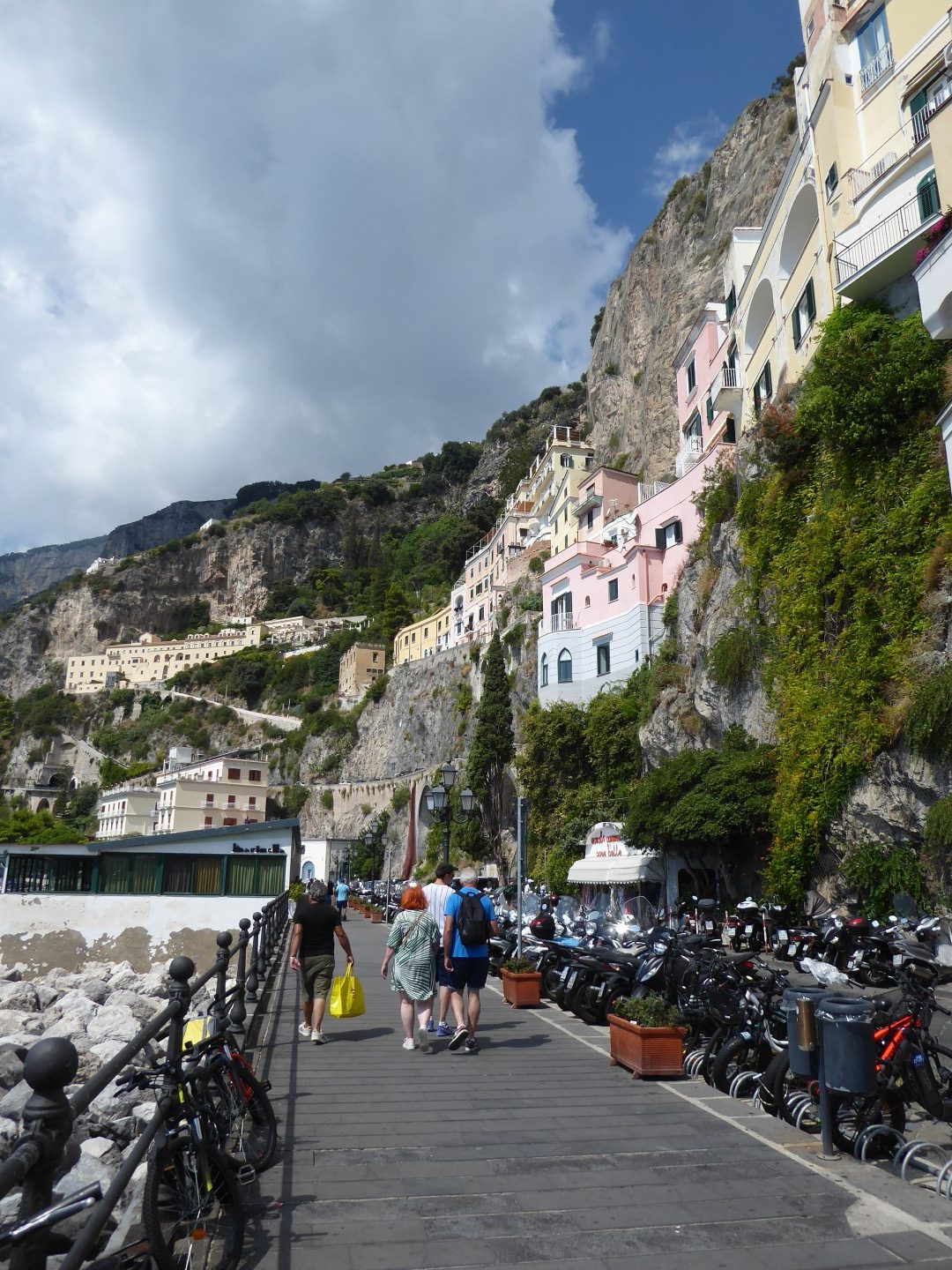
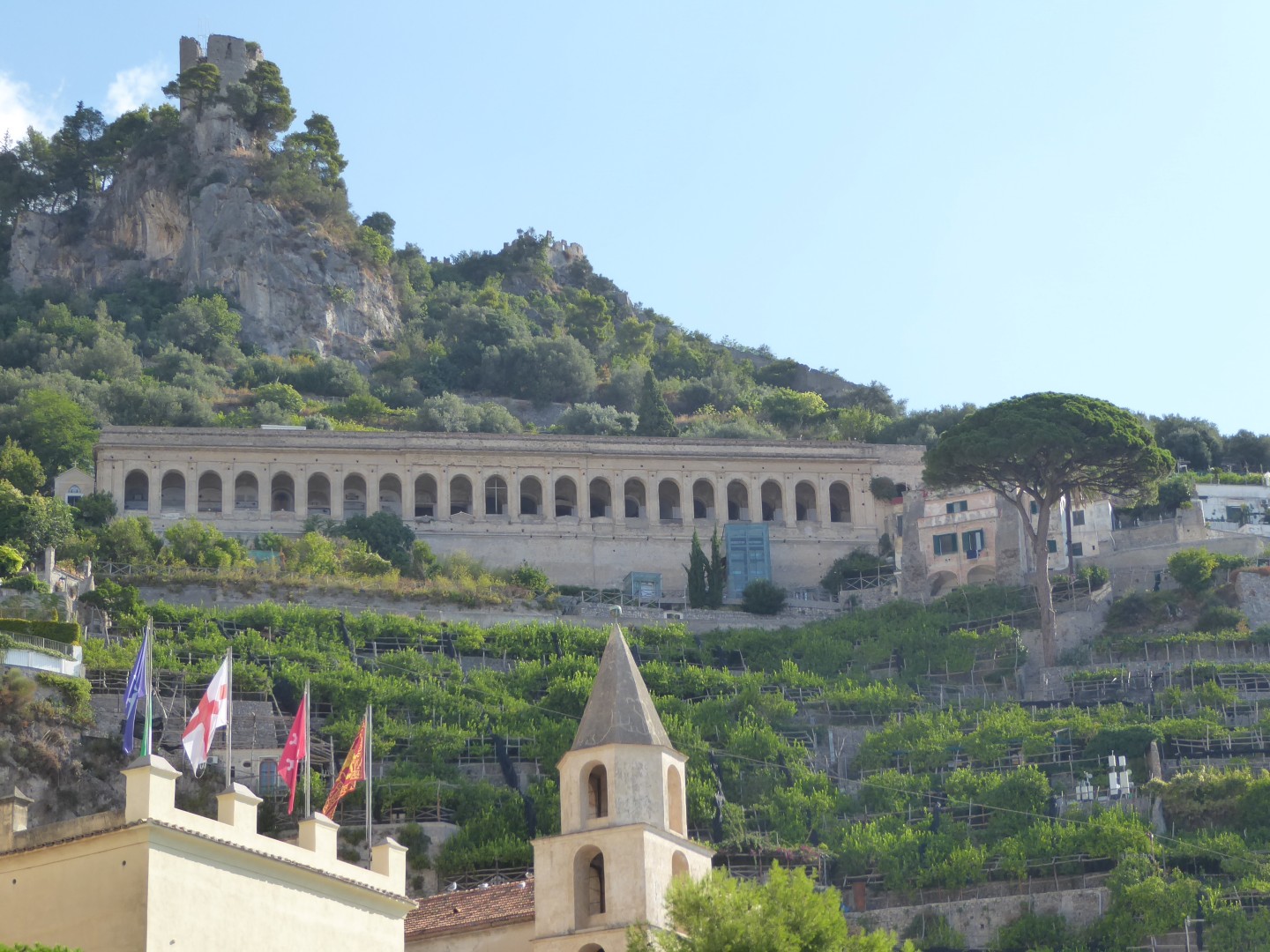
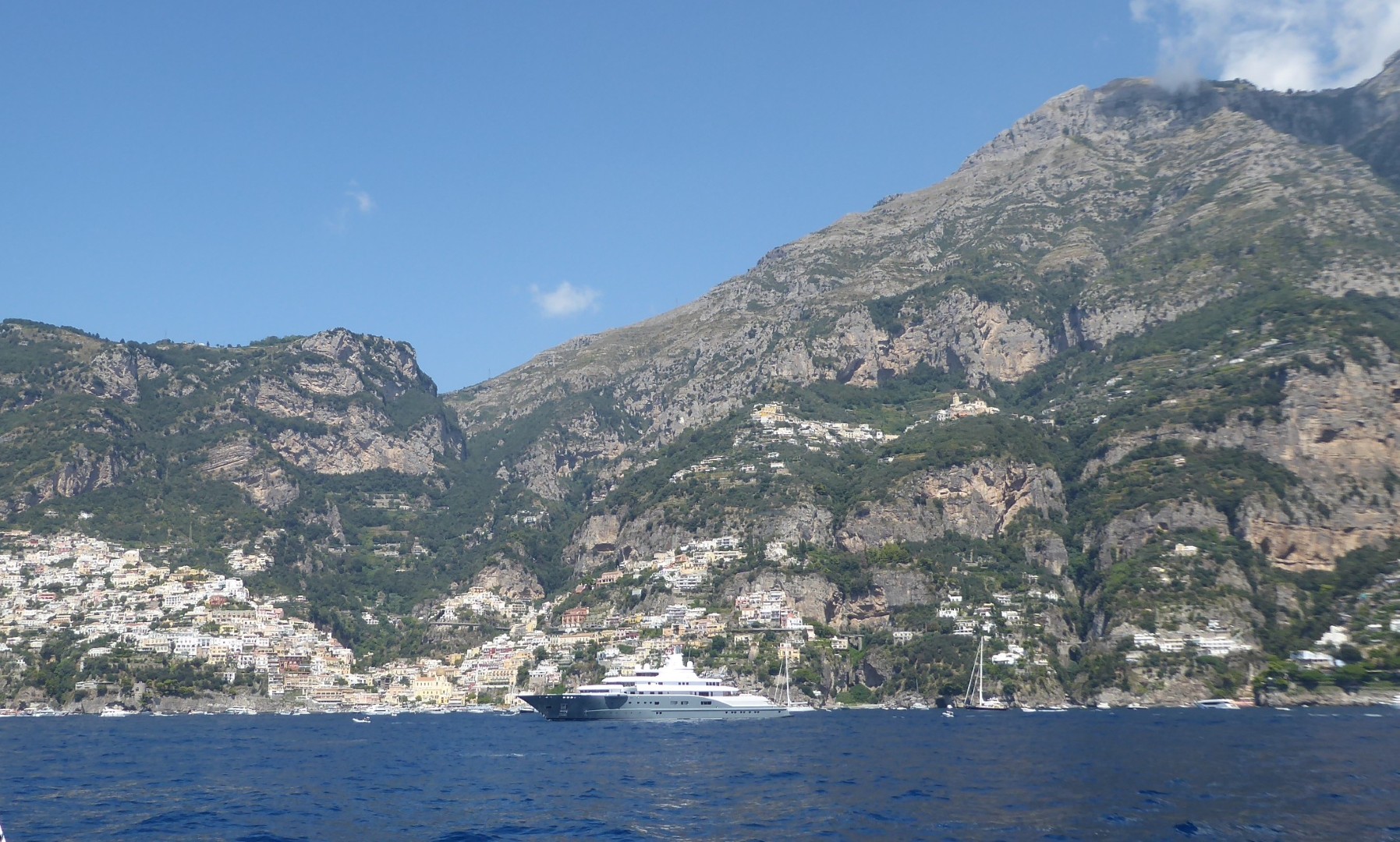
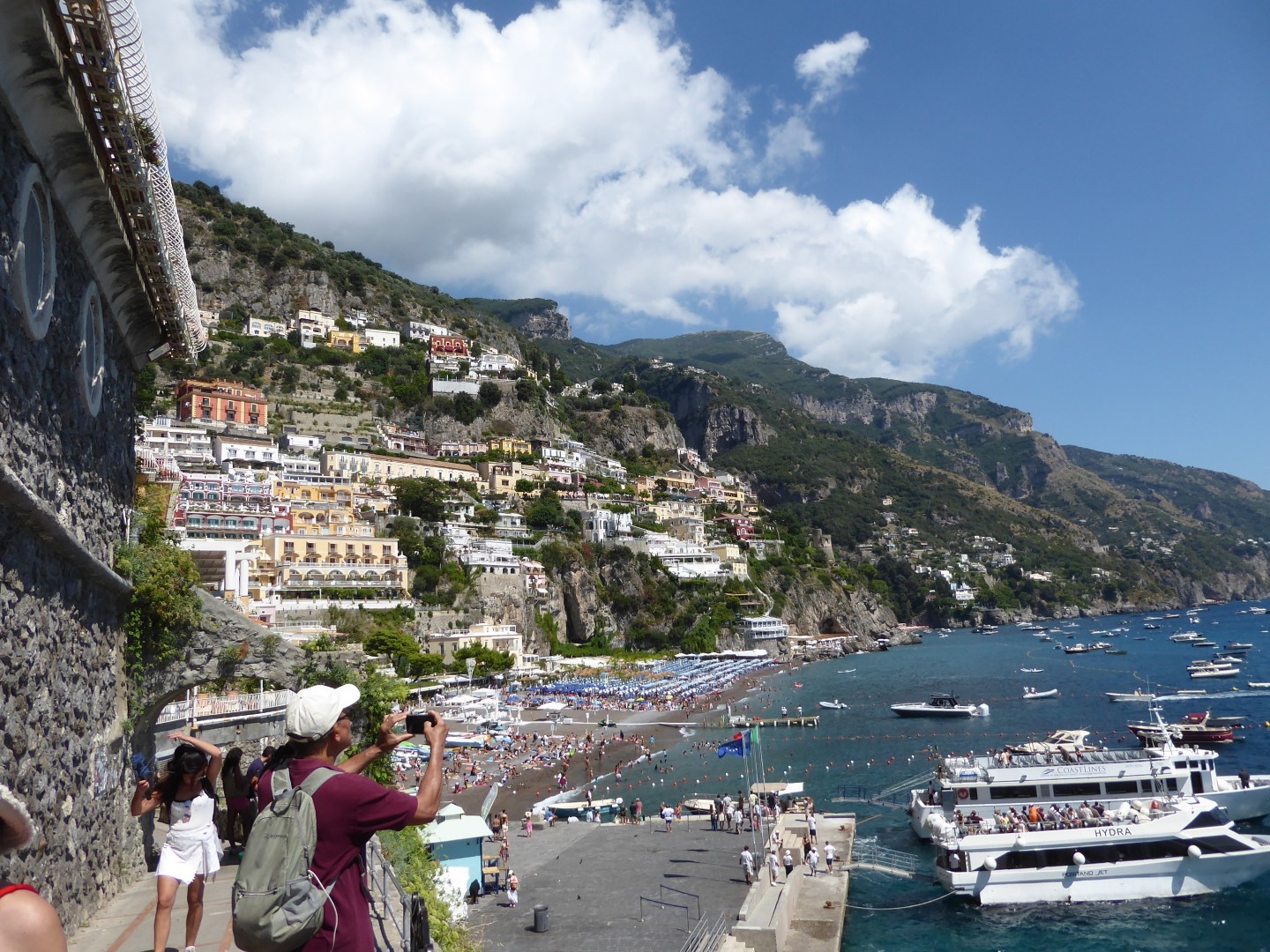
Yes, Amalfi is quaint and so is the nearby village of Positano as well as others on the Amalfi coast. They are not blighted by any new building developments – no concrete tower blocks! (how could you build anything large on the slopes of steep mountains anyway), no garish neon signs – and they are effectively in a time warp from a slower more peaceful time. The mountain & sea views are really stunning. The walking in the mountains is special as well. A couple of the large old convents have been converted into plush hotels.
My parents went to Amalfi (& also Capri) in the early 1950’s and I have the postcards my Dad bought. I thought it interesting to see that hardly any of the buildings have changed & note the absence of cars, motorbikes & any tourists in the postcards. How times have changed!
Amalfi
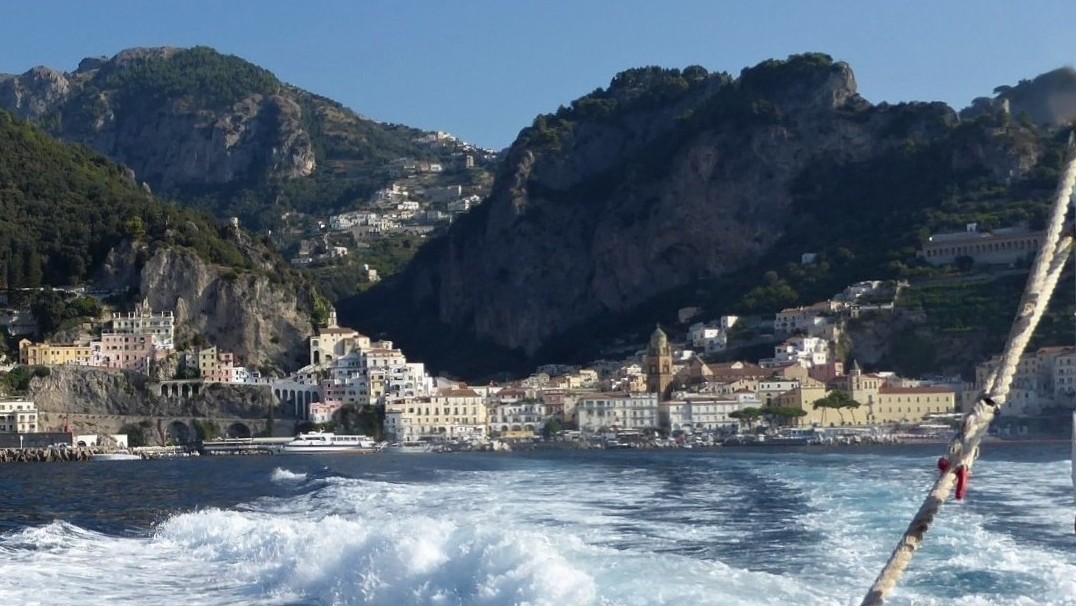
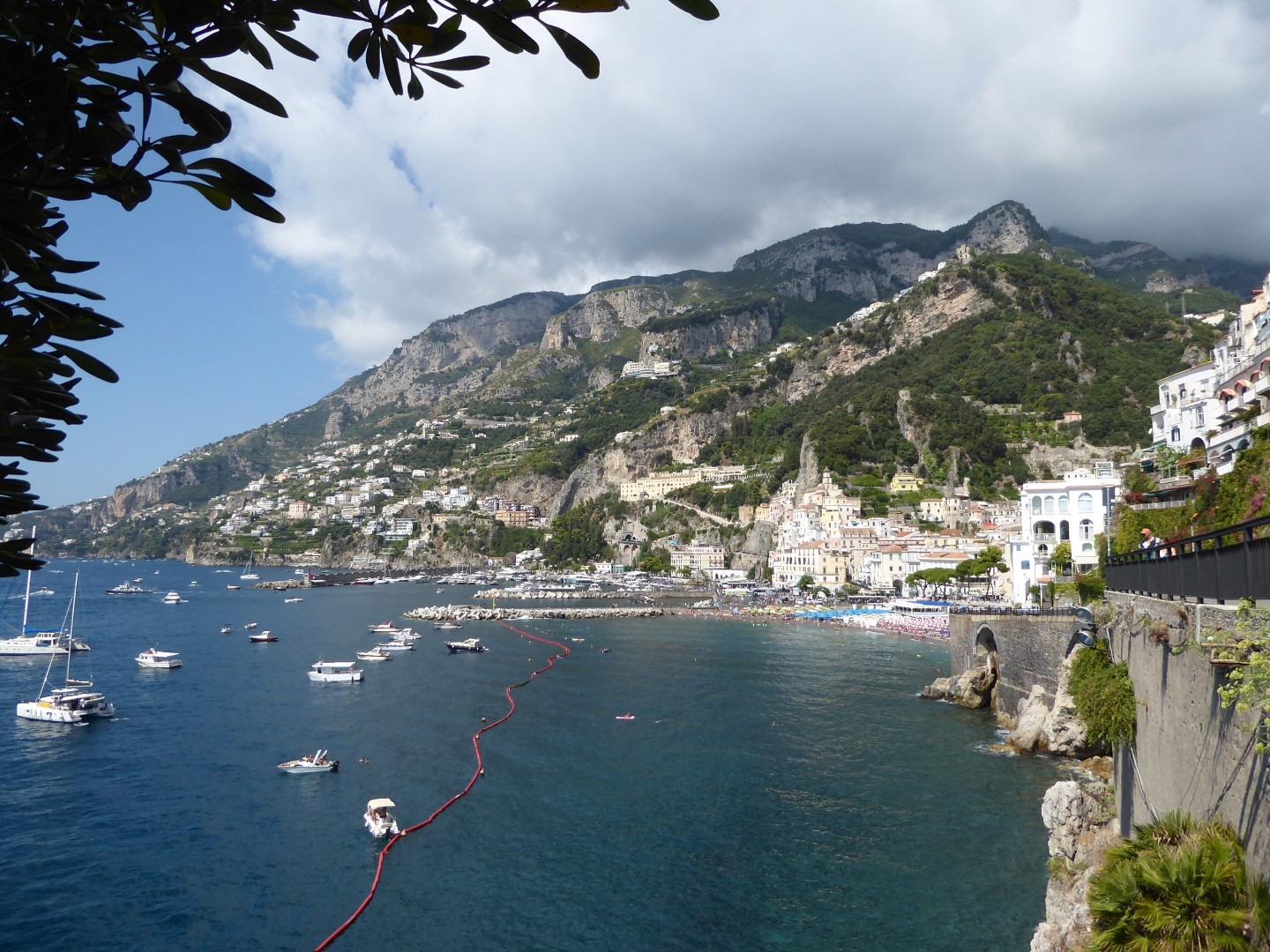
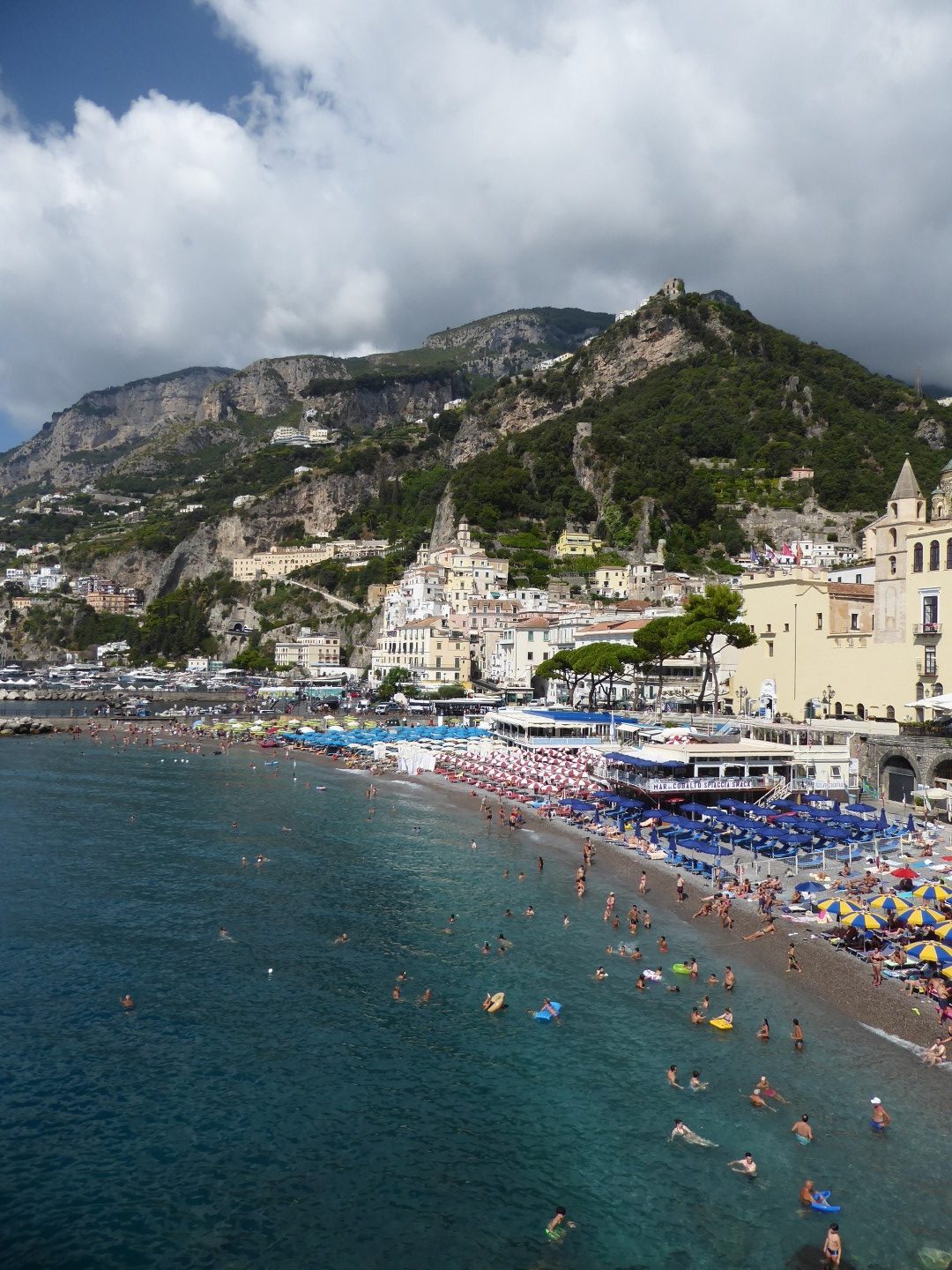
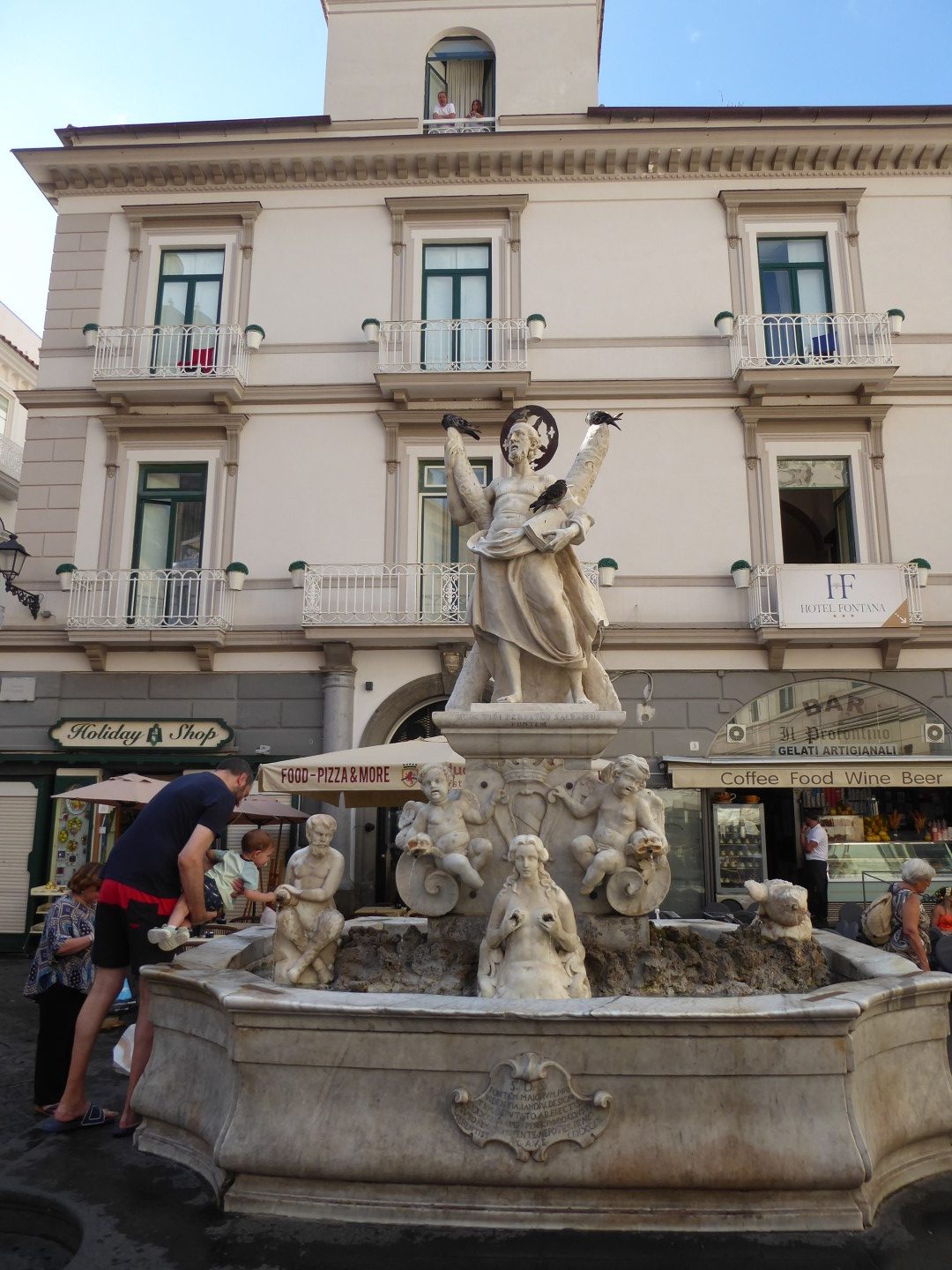
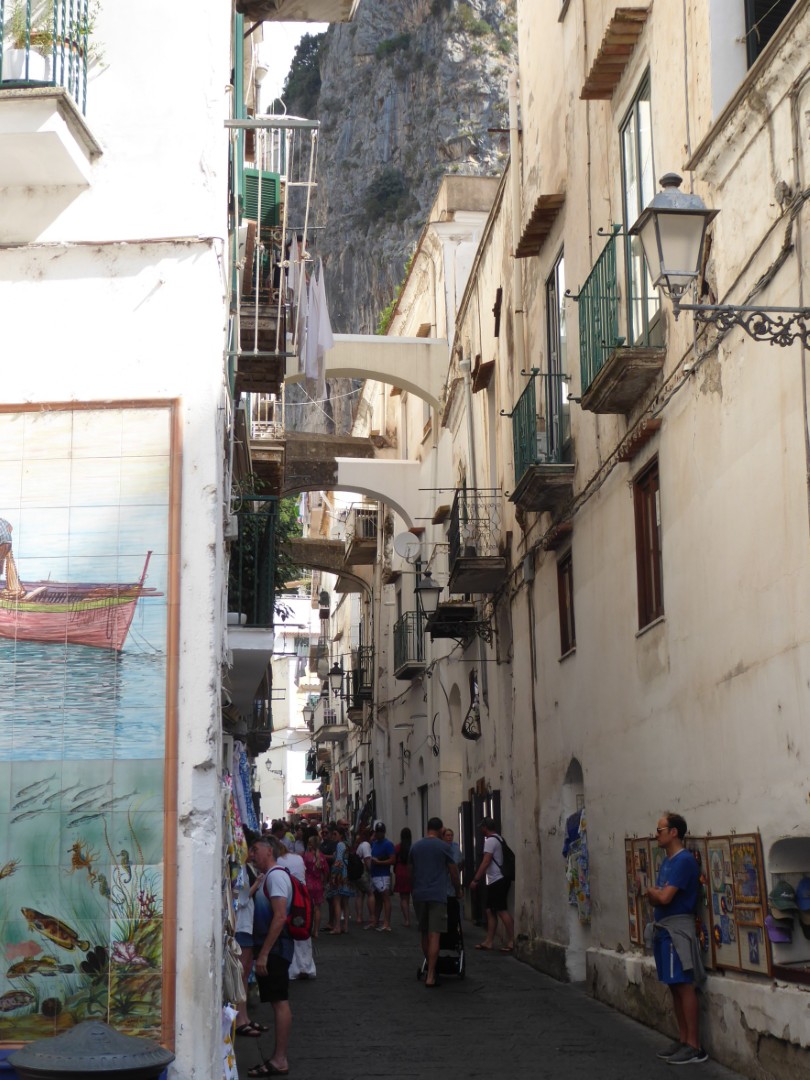
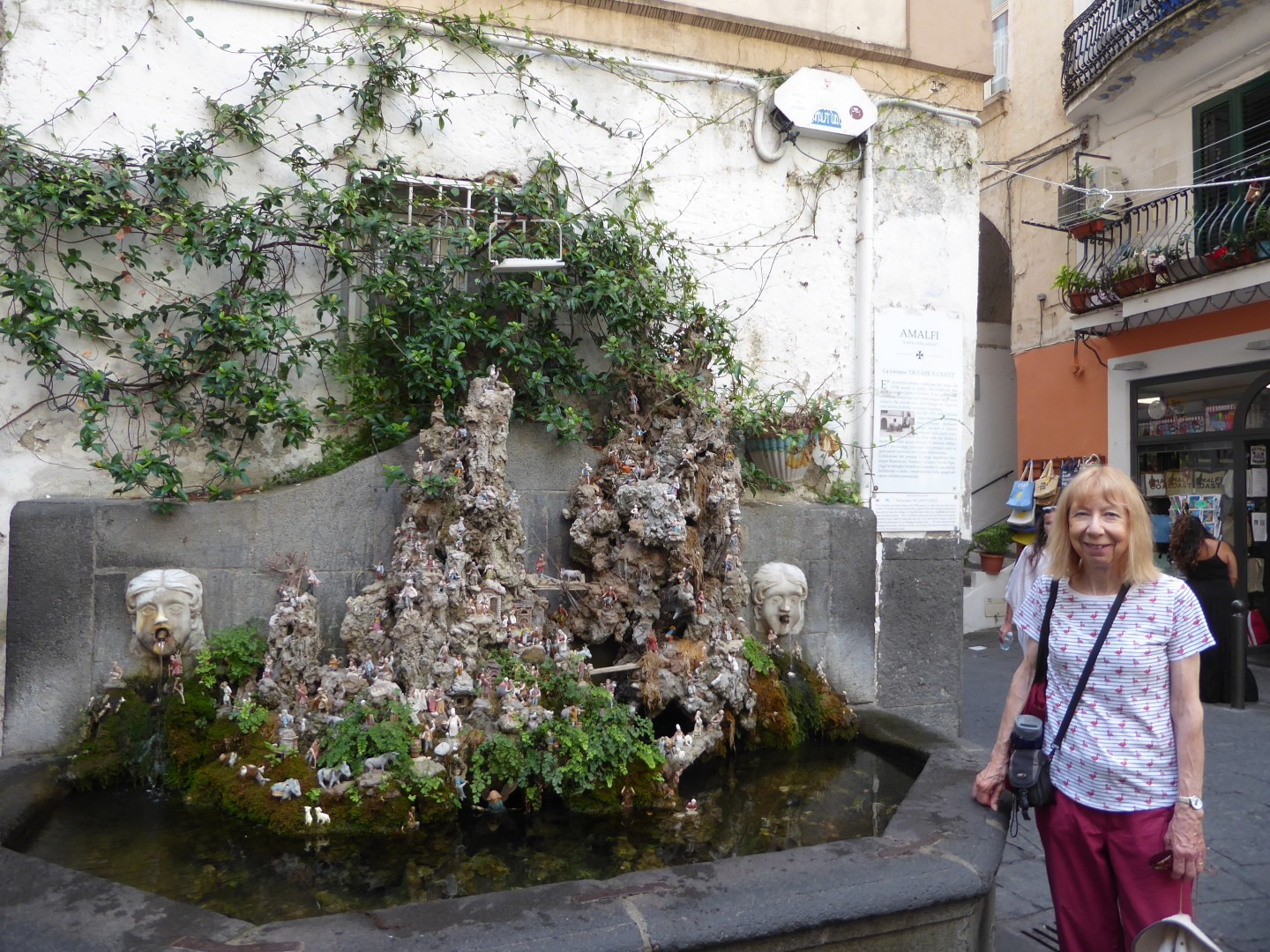
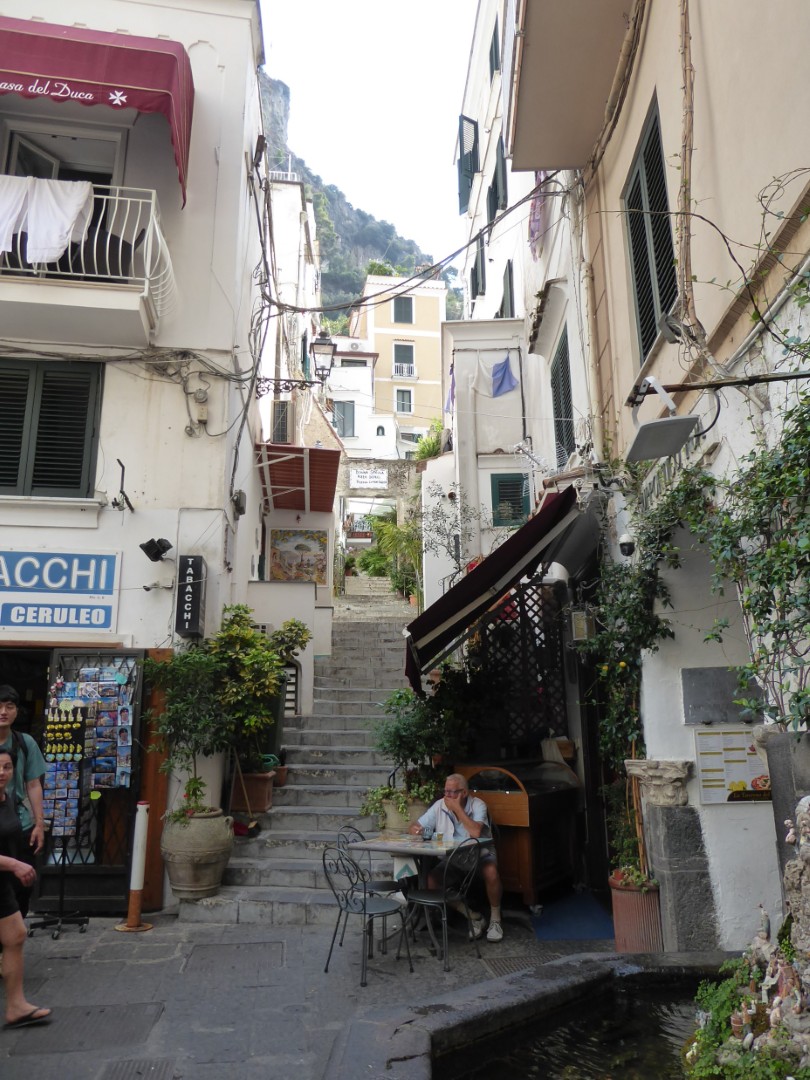


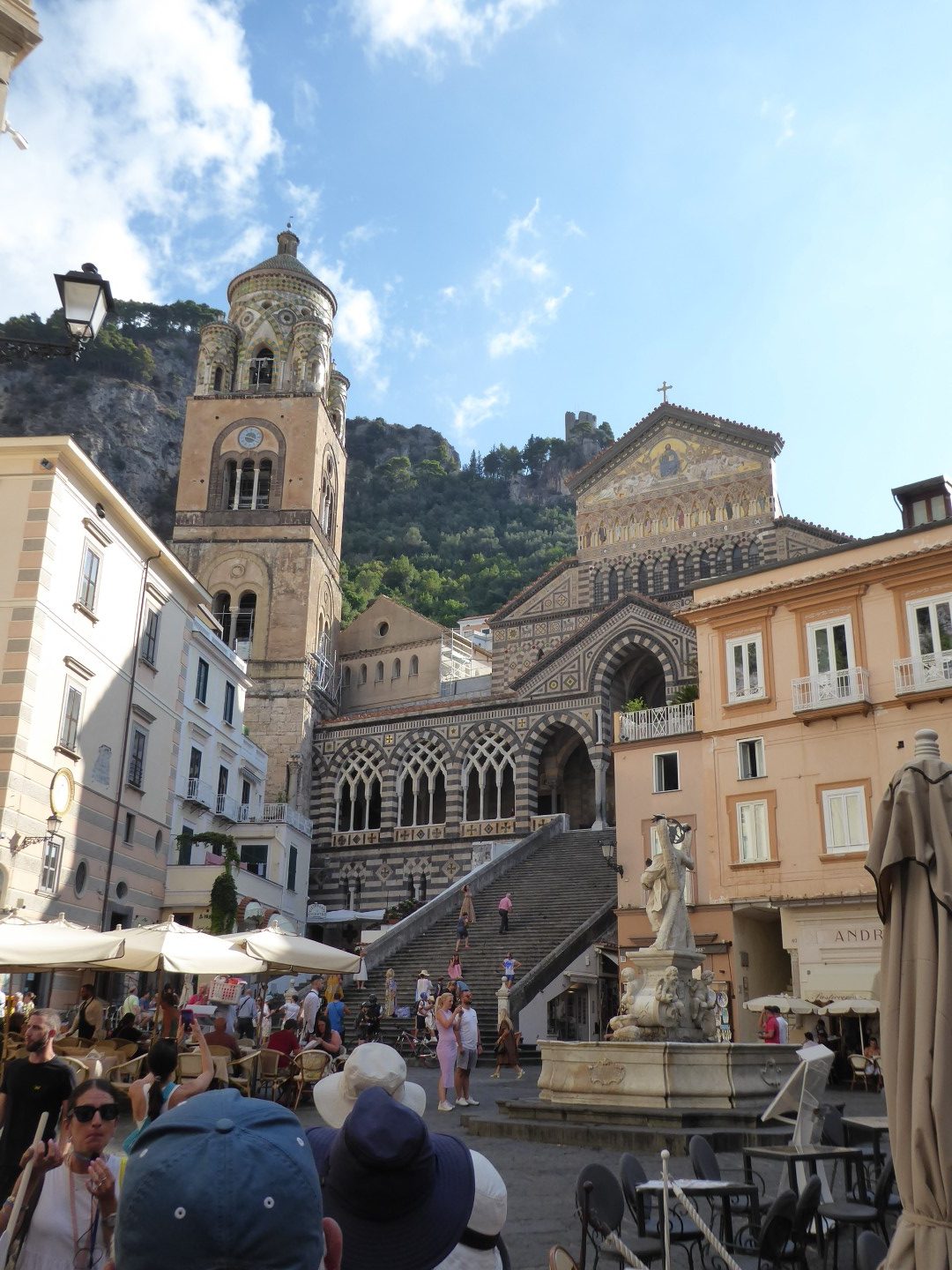
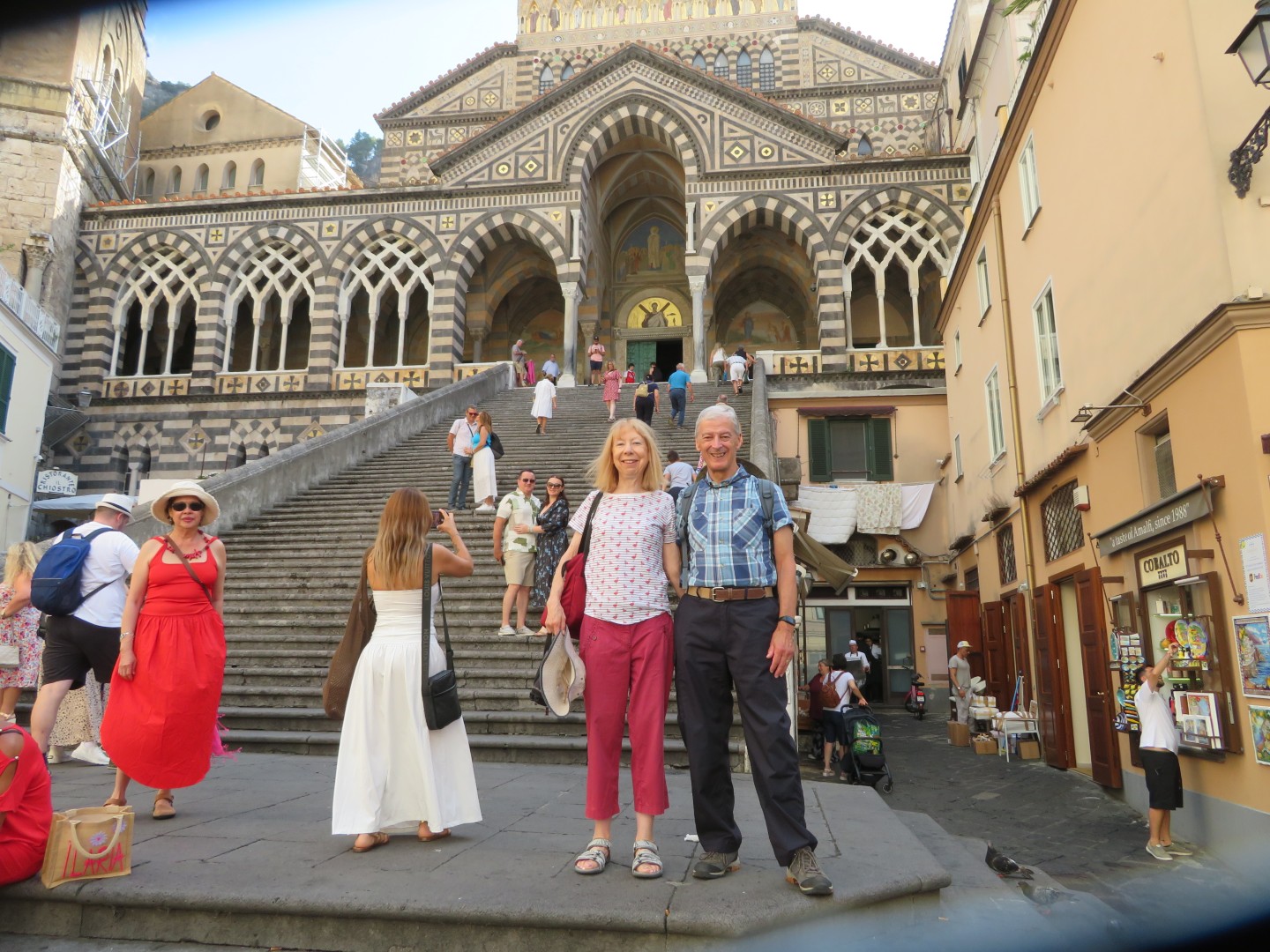
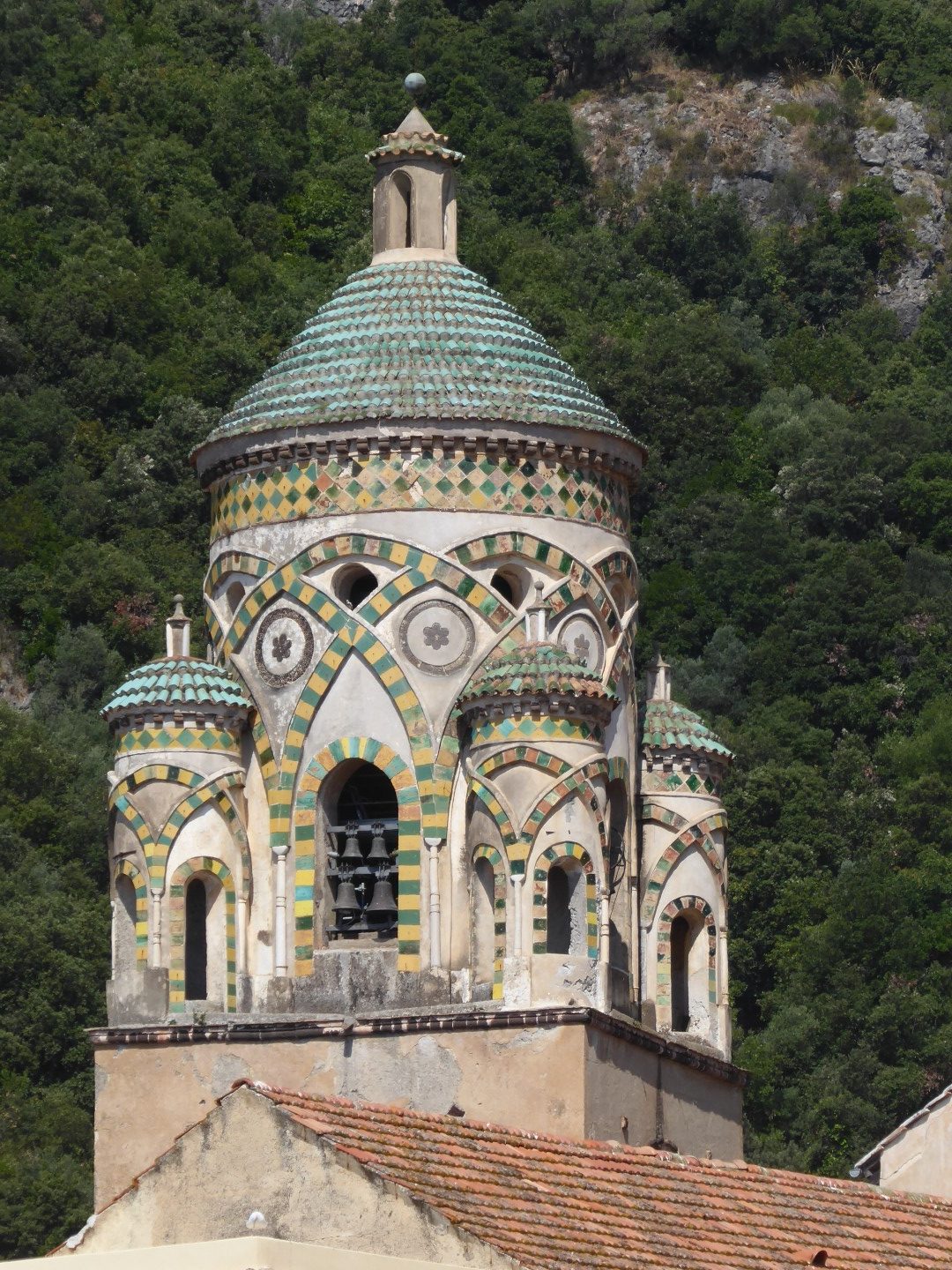
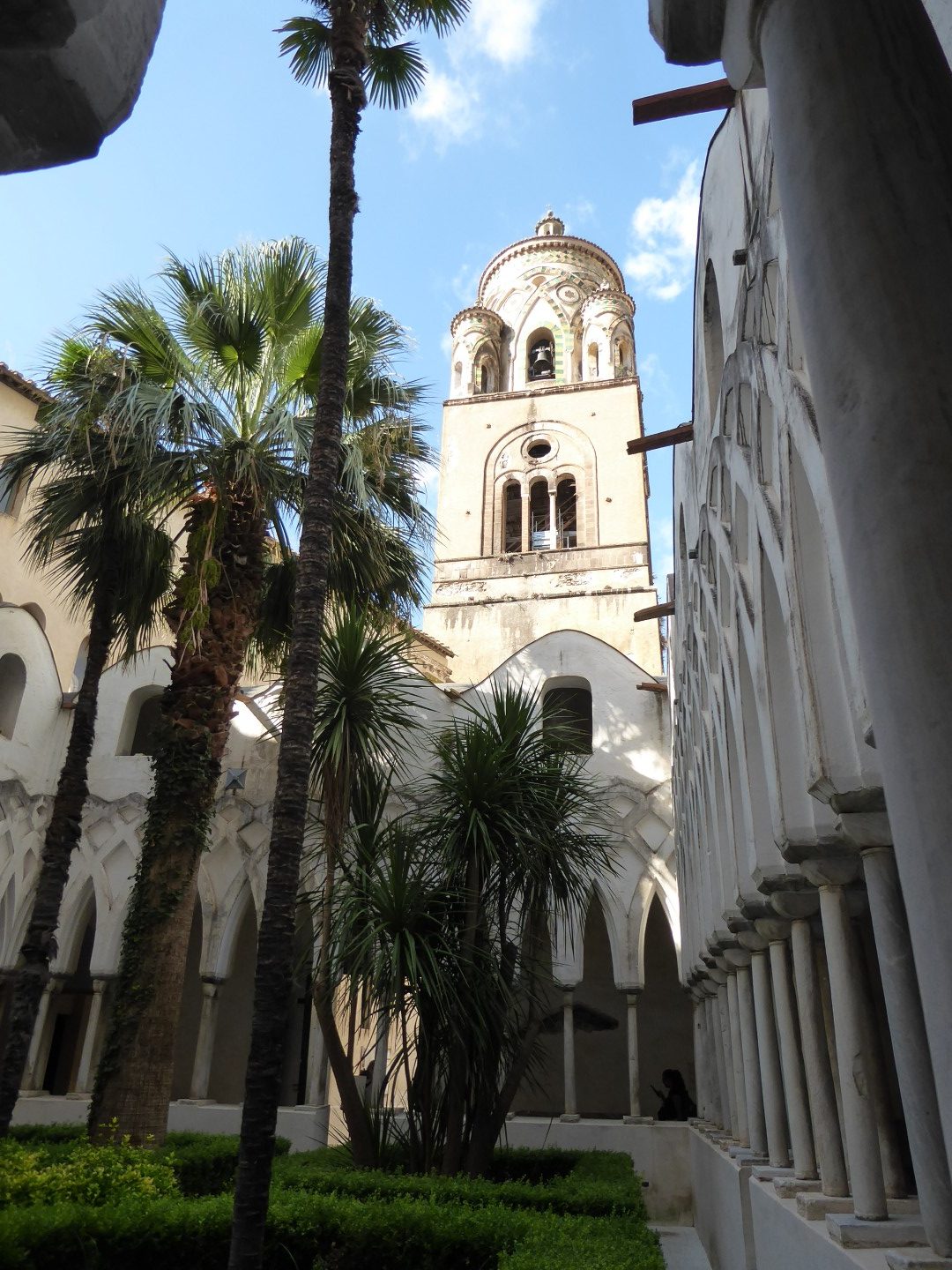
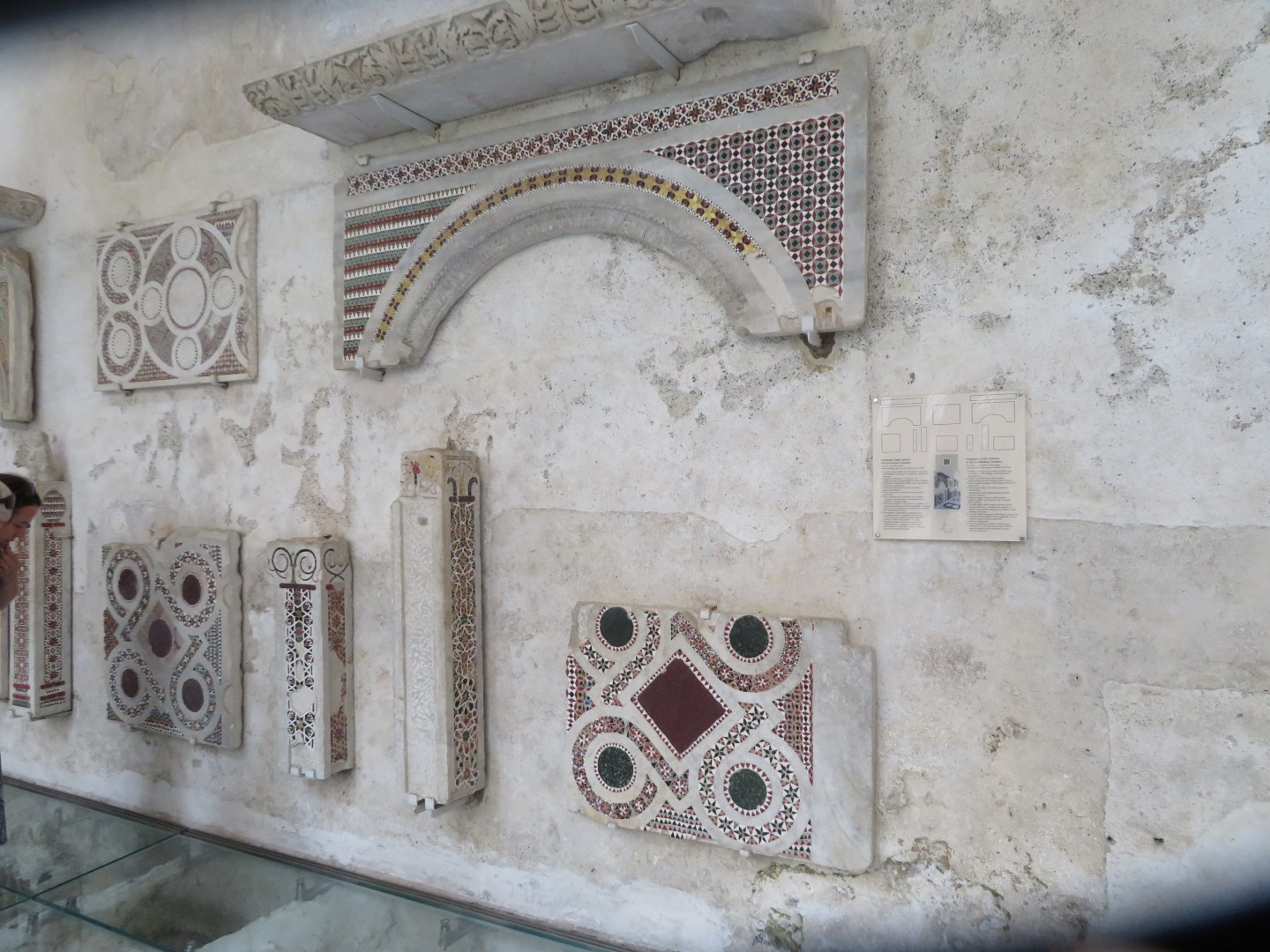
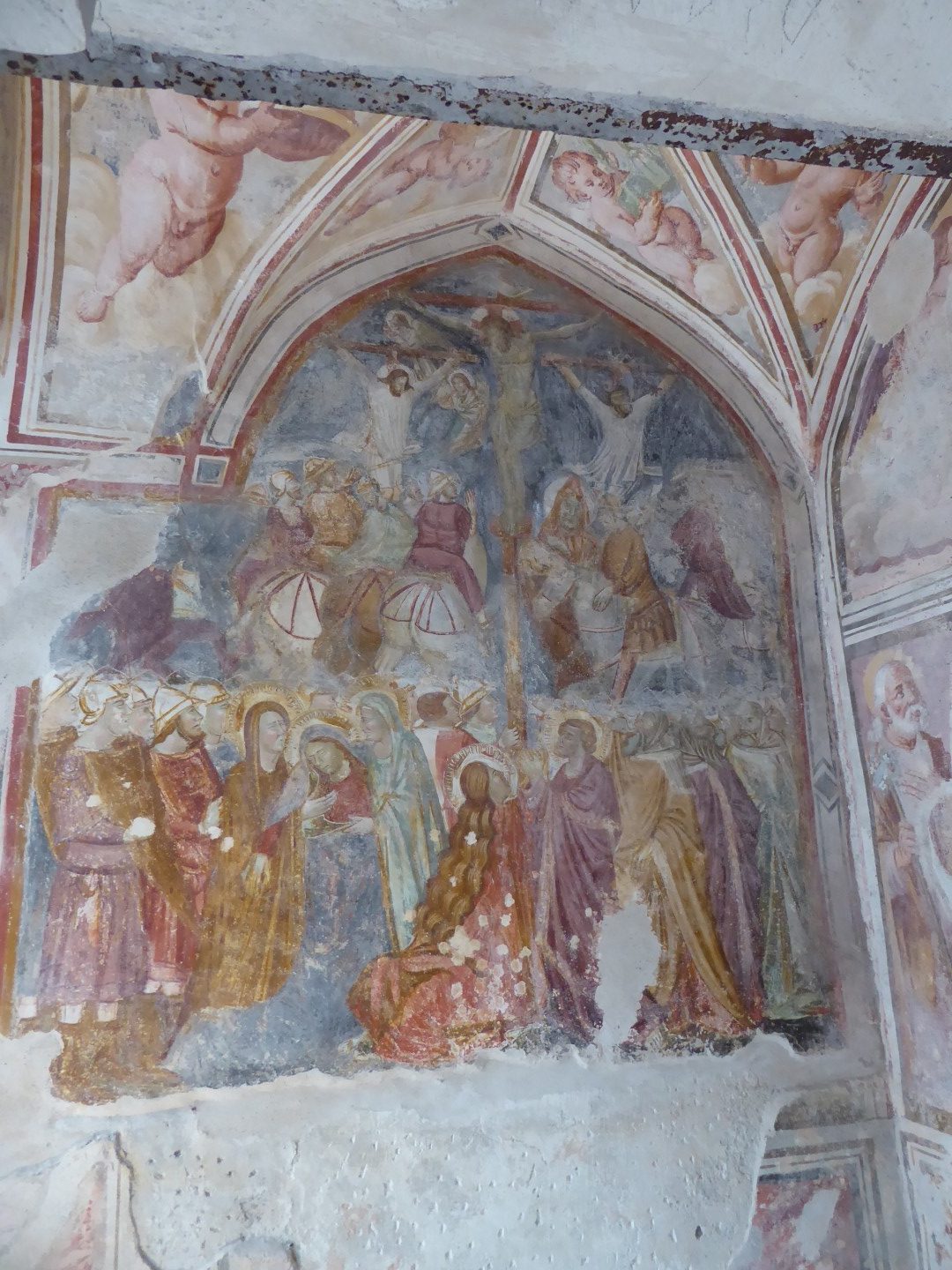
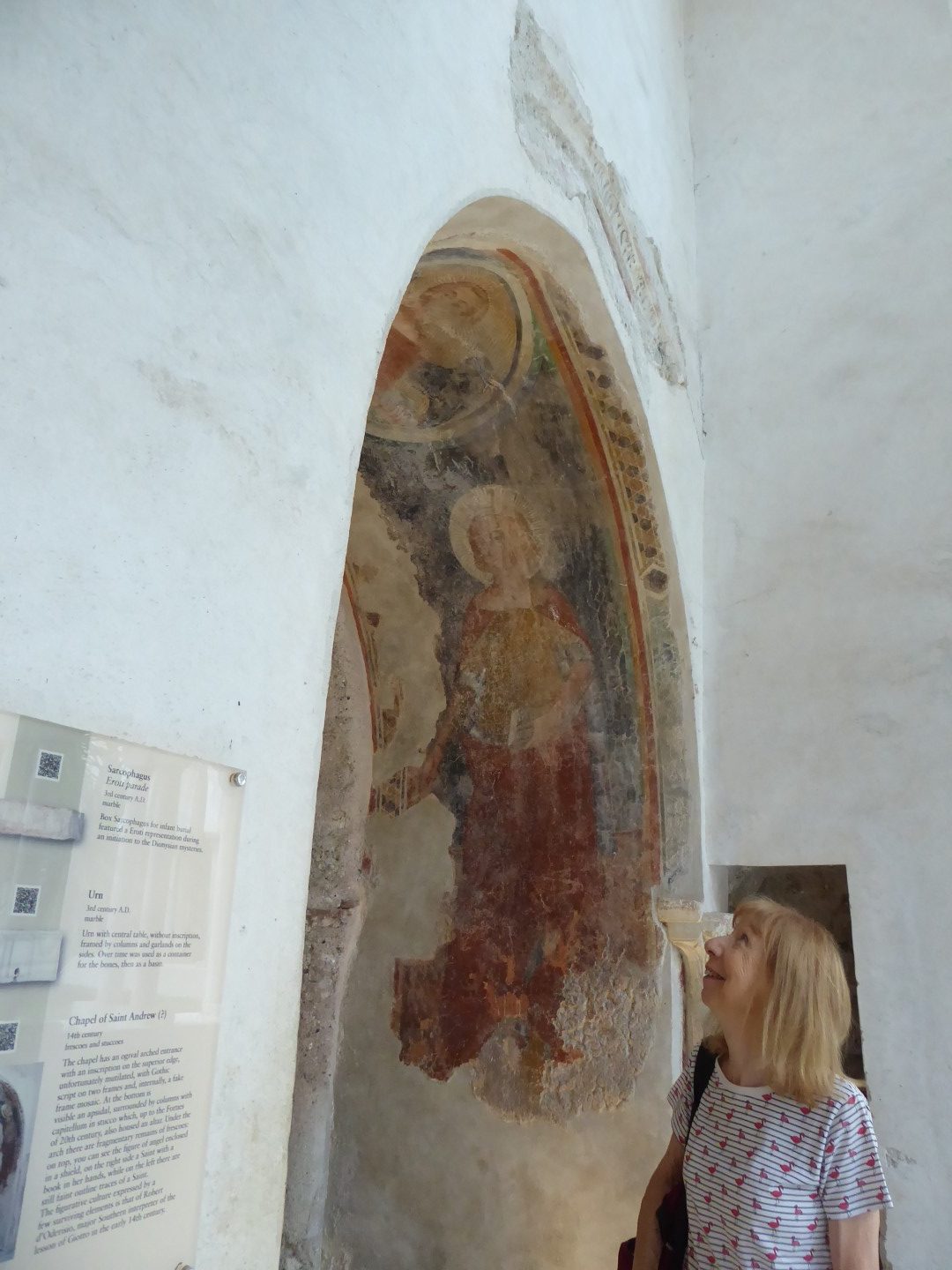
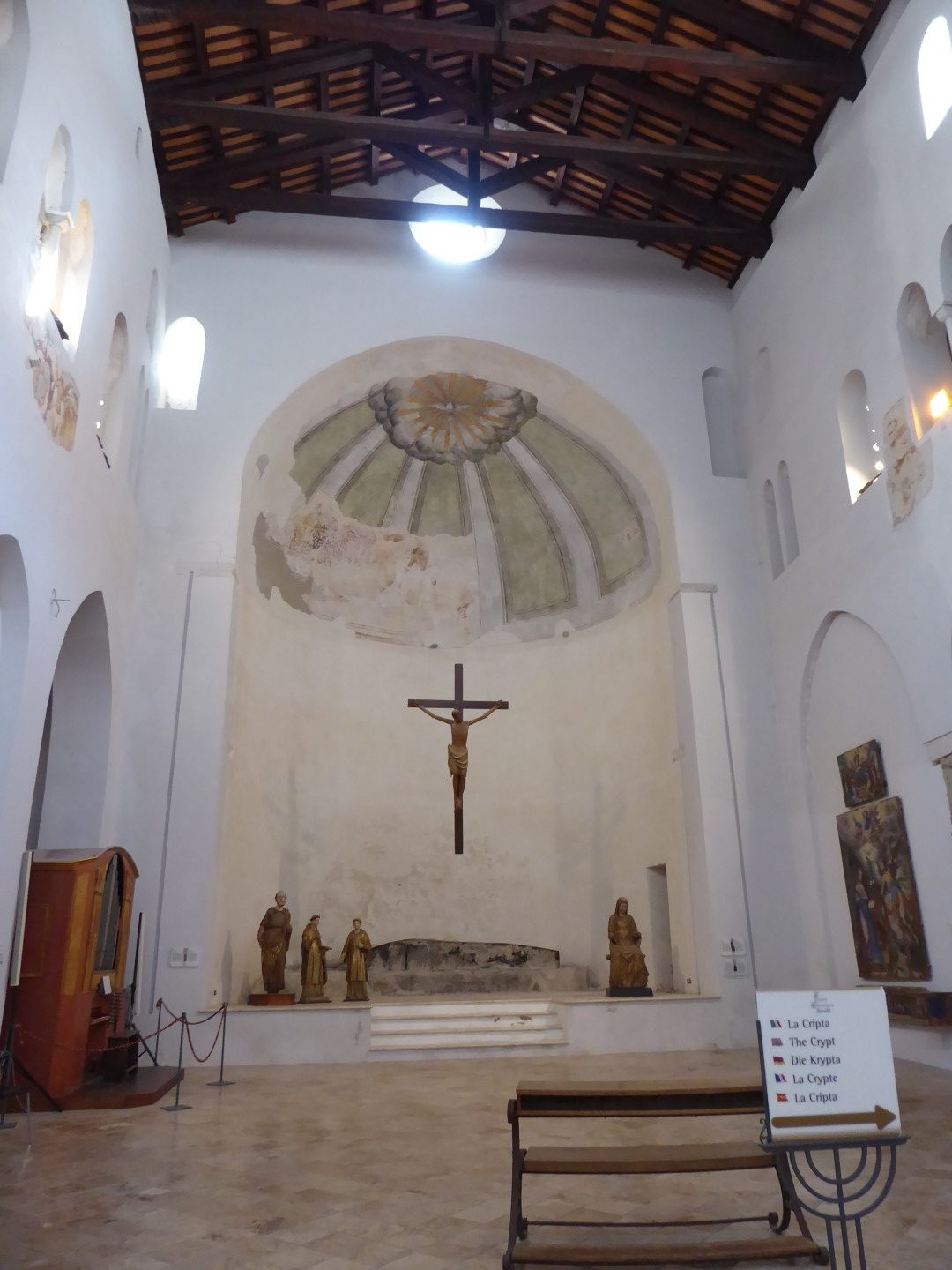
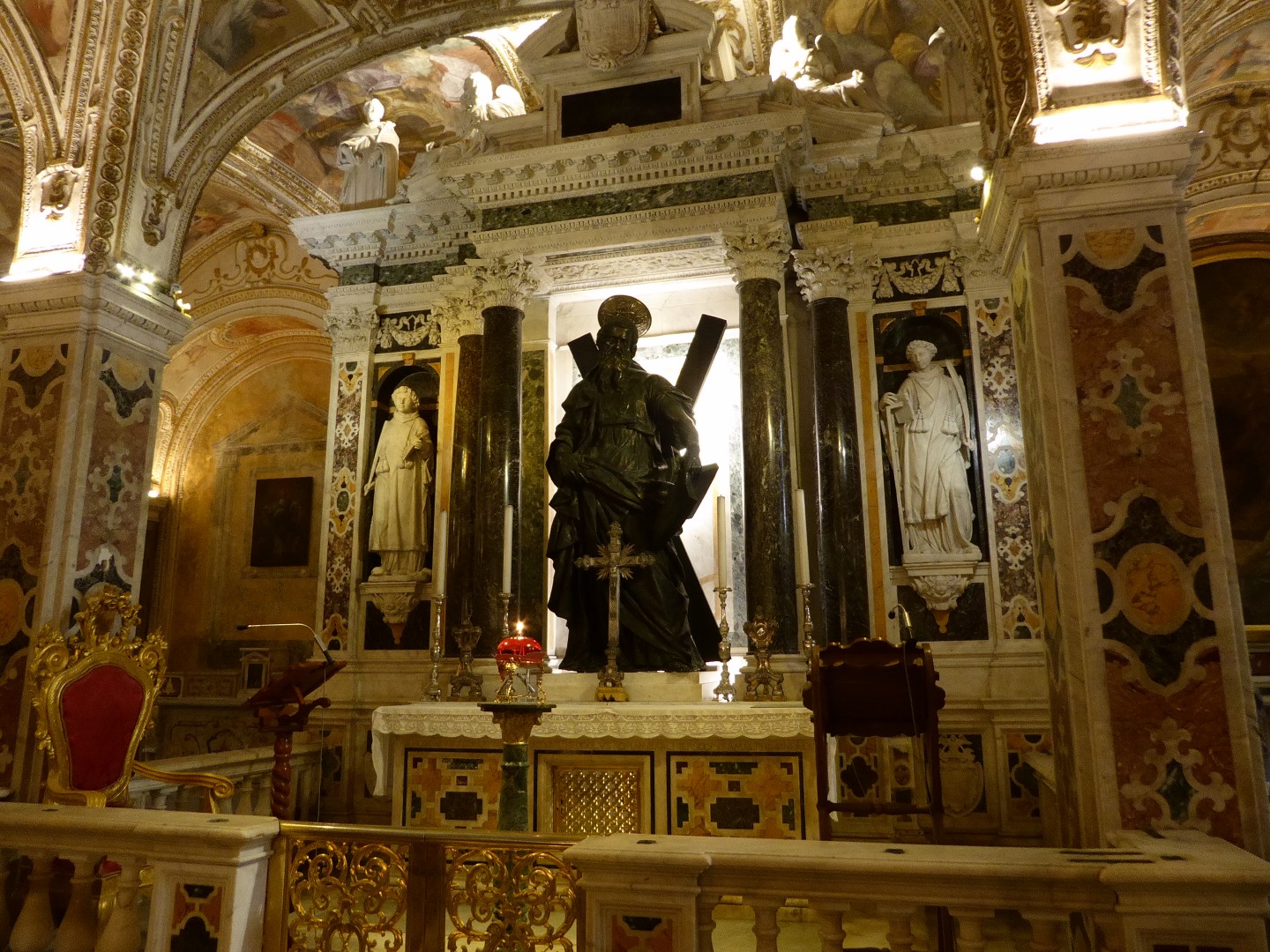
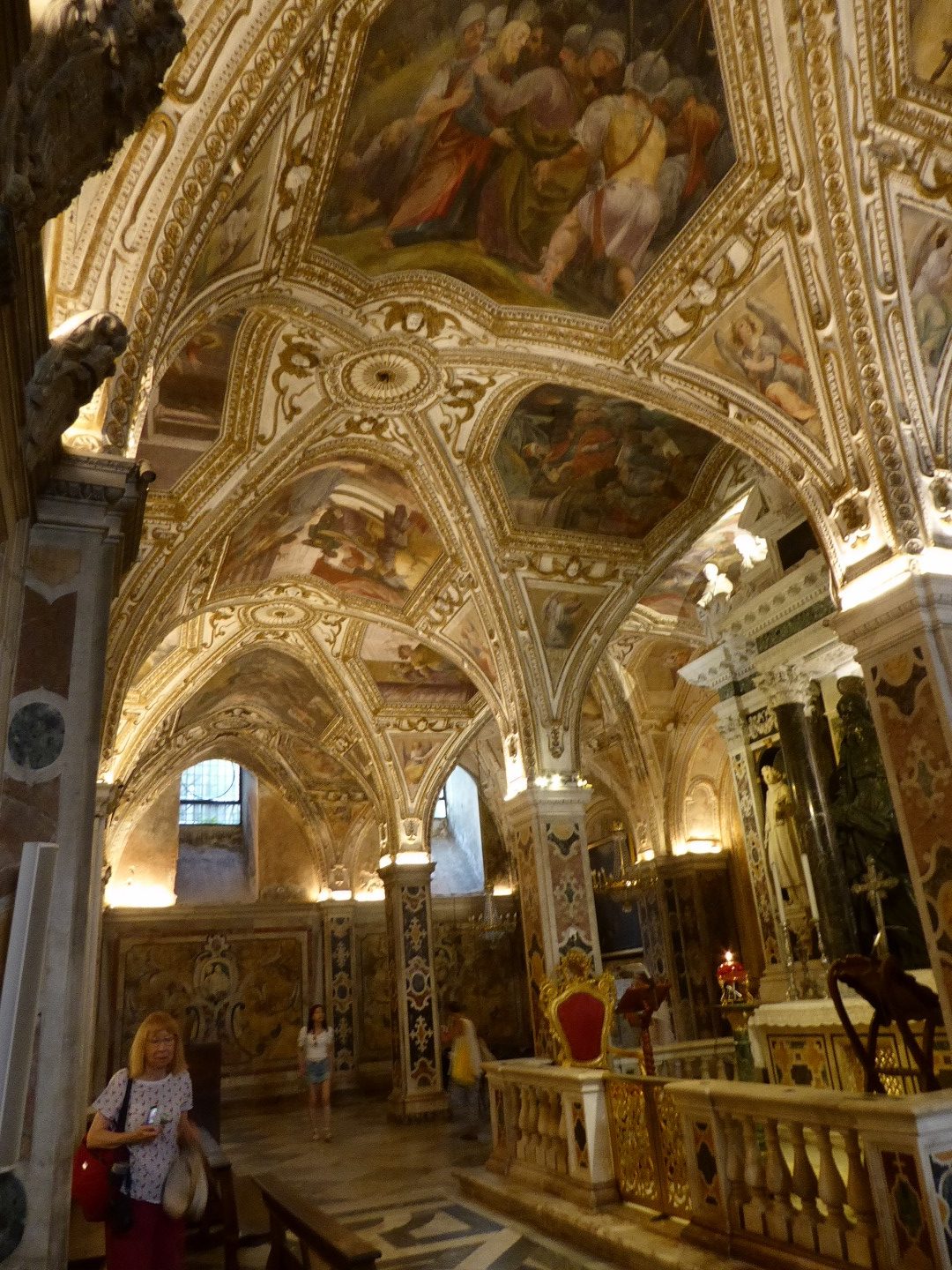
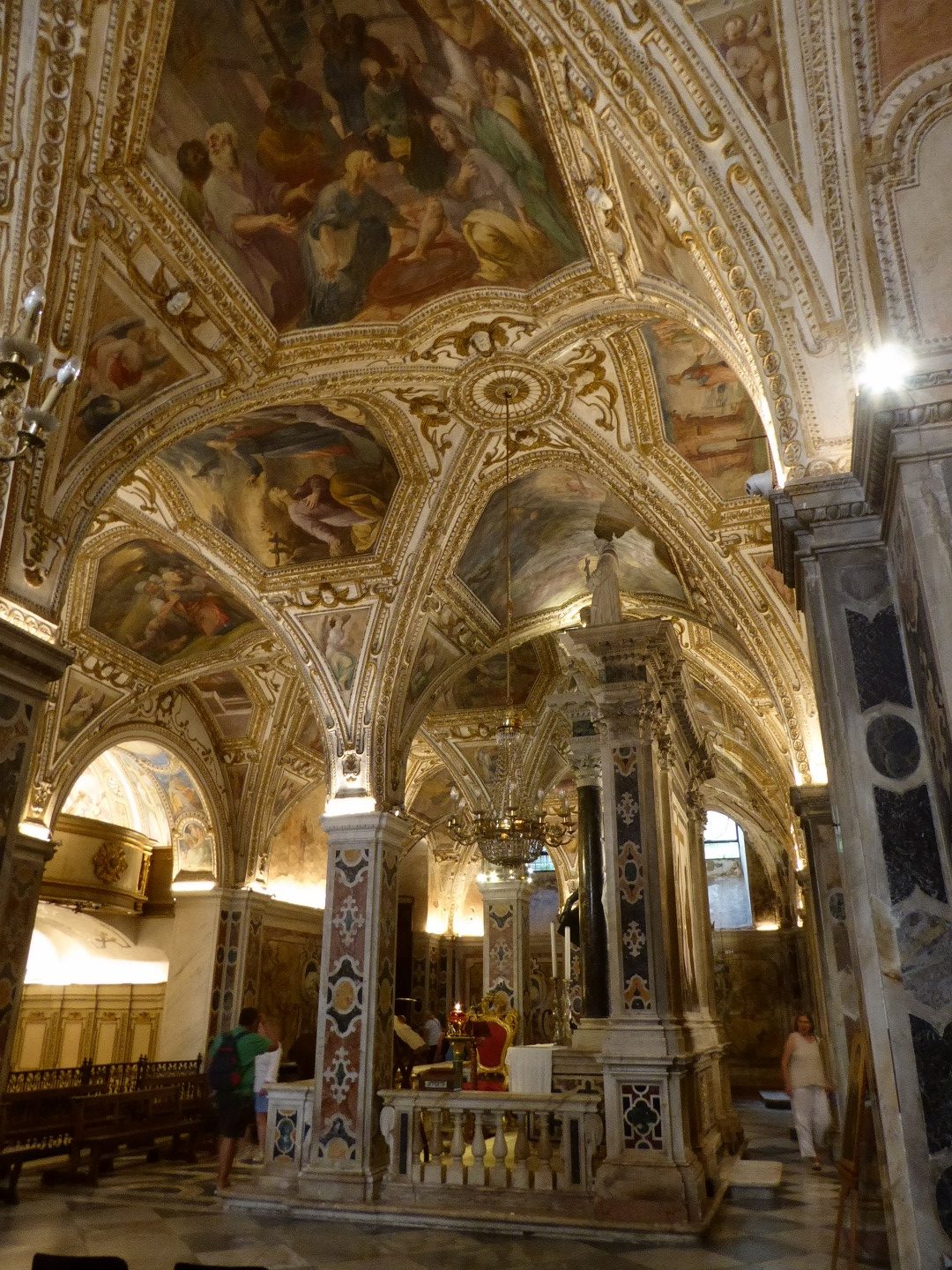
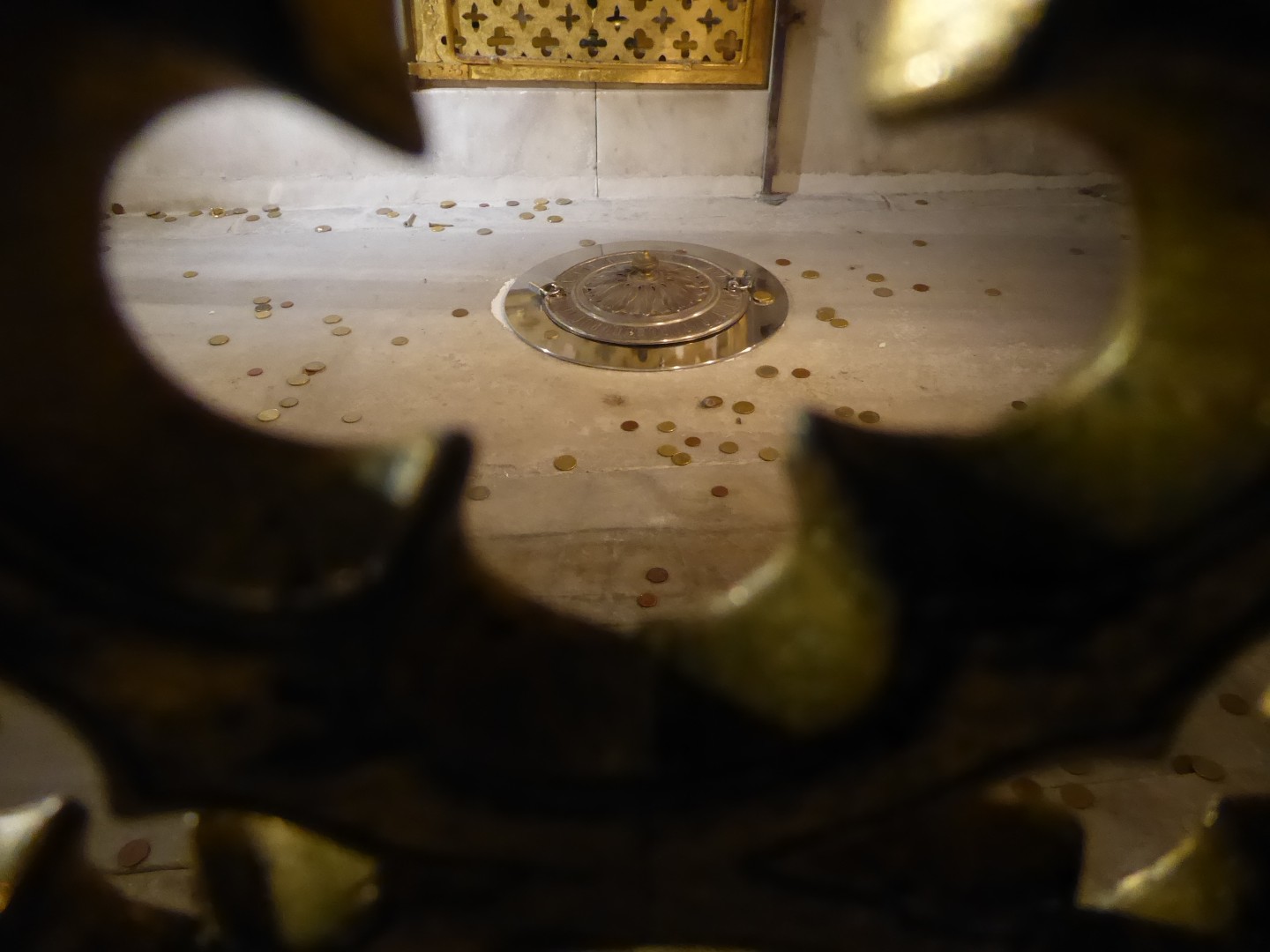
The magnificent Cathedral complex of St. Andrew is squeezed into the narrow spaces within Amalfi. An unexpected gem to visit, particularly the Crypt.

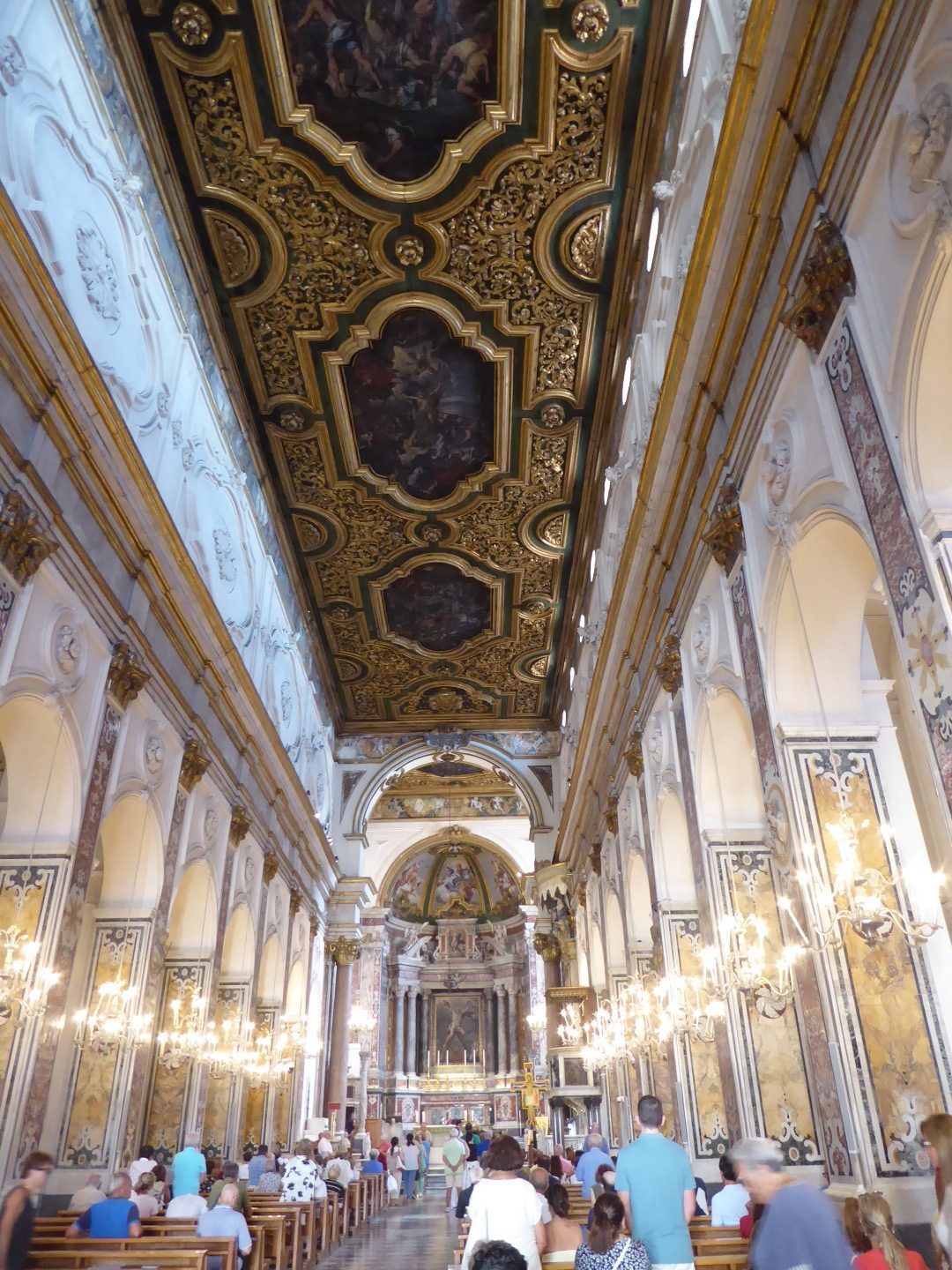
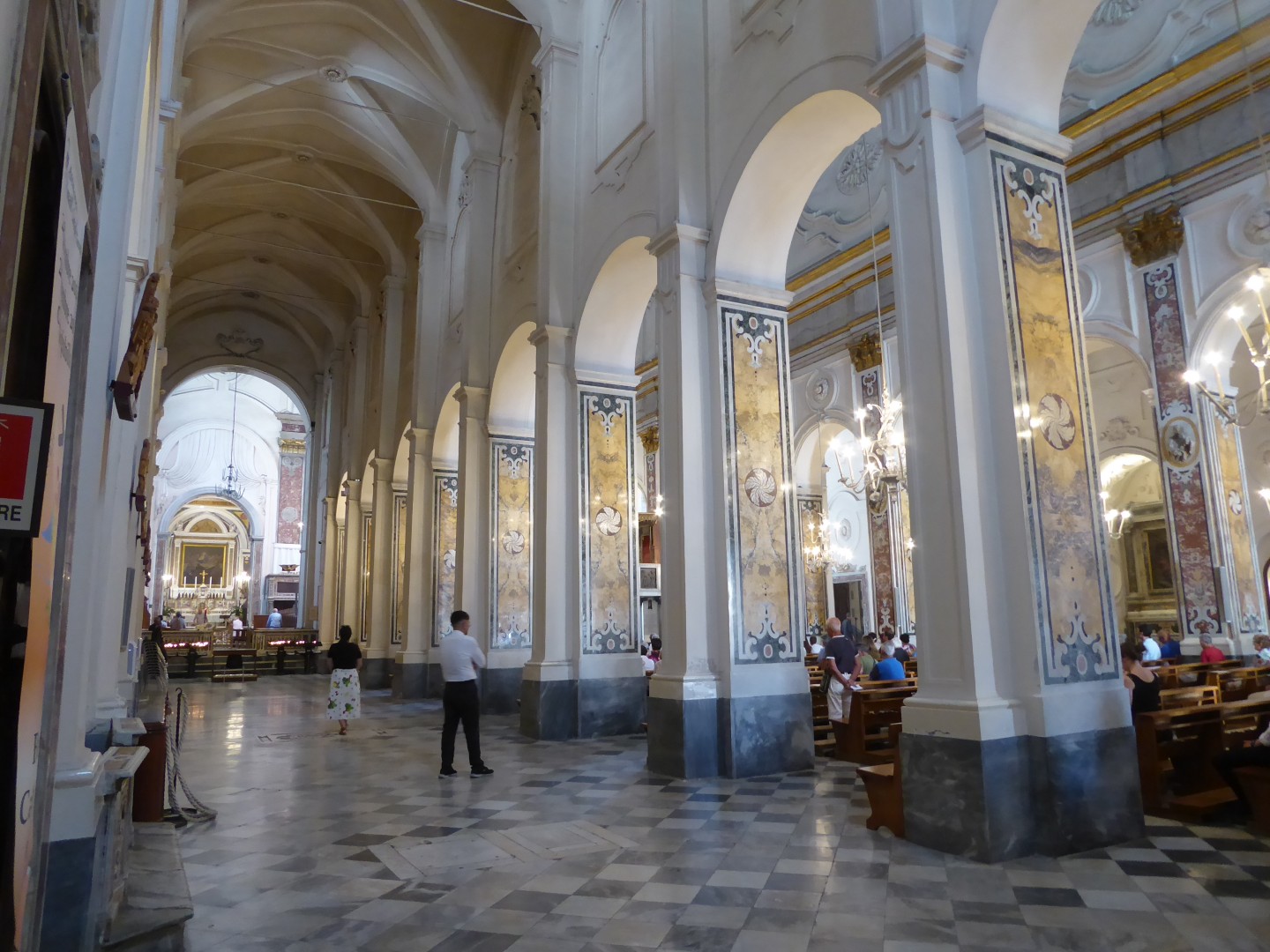
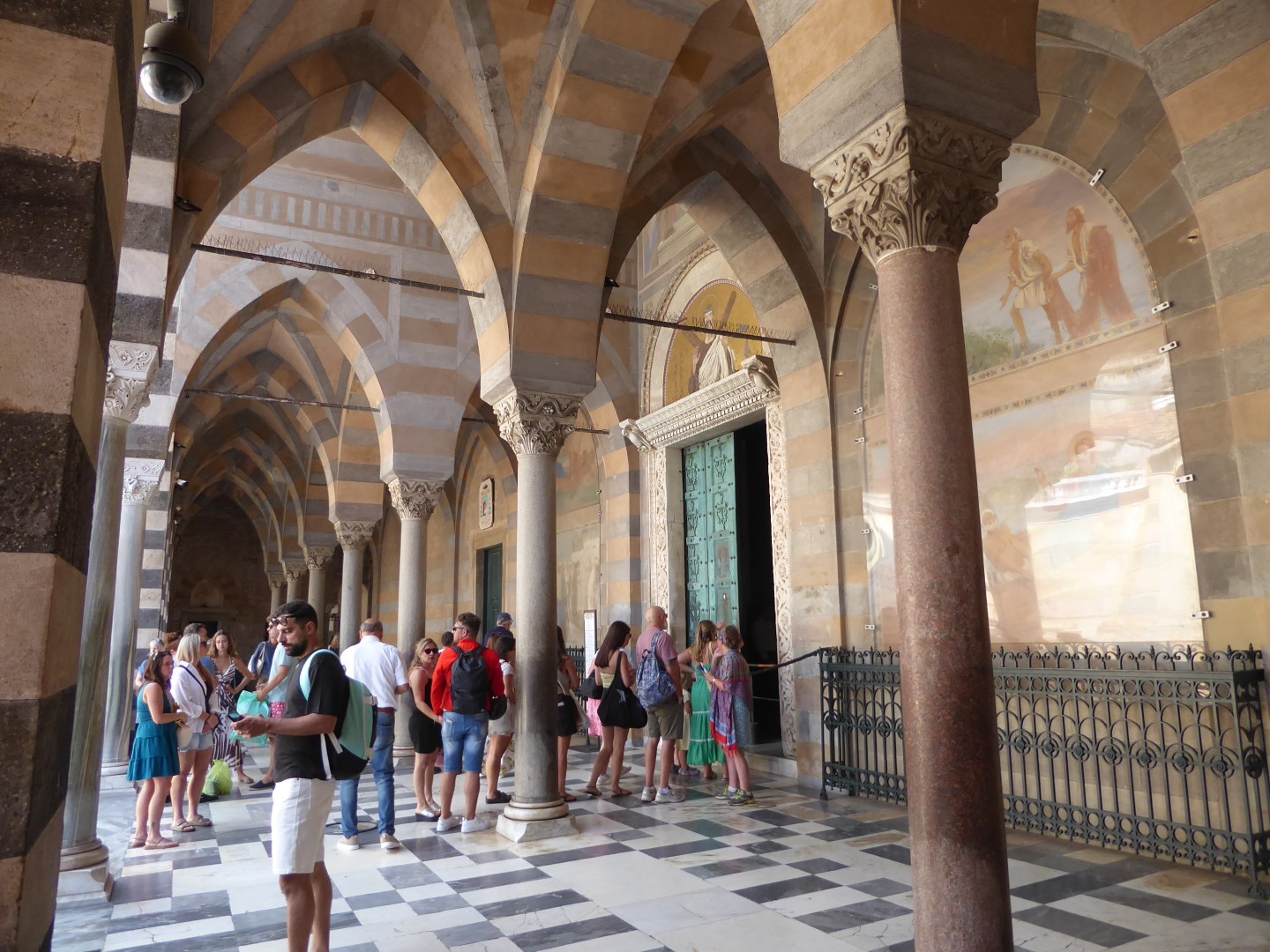
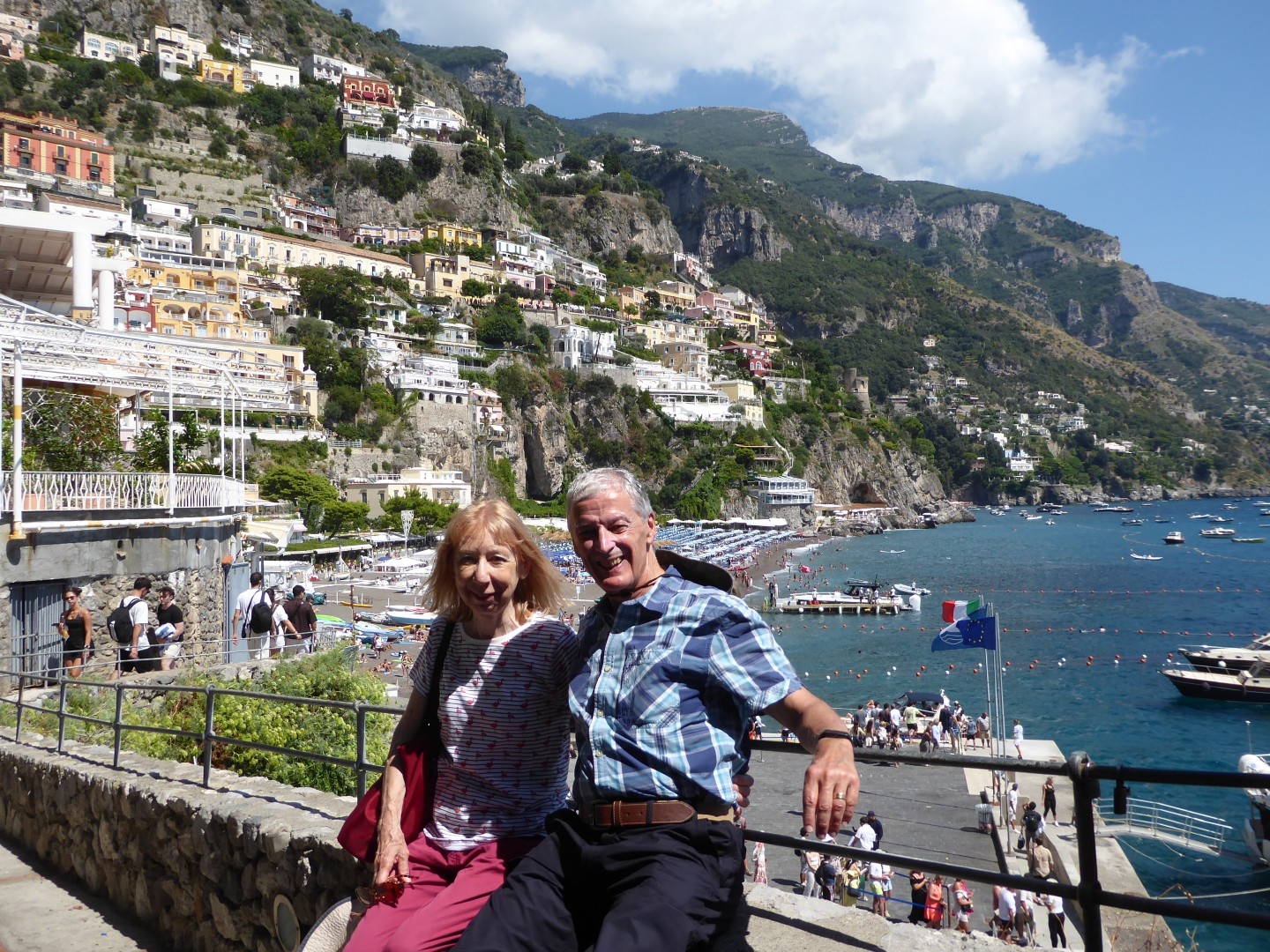
The Amalfi Coast & Positano

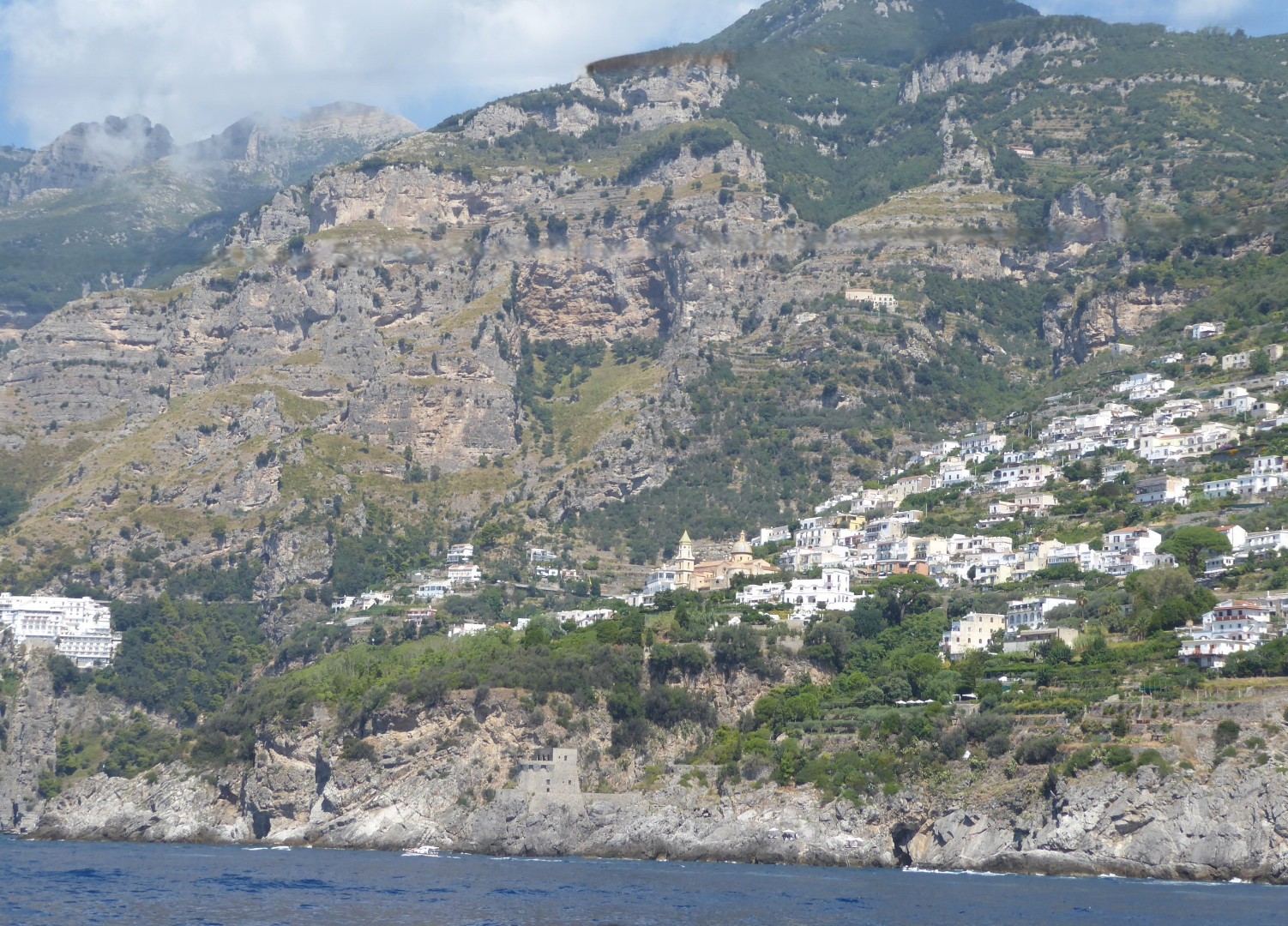
Our guide, Paolo who was a local from the area bemoaned the fact that young people in the region are abandoning the traditional agricultural & fishing industries as they can earn more in the leisure sector. Added to the fact of a falling birth rate (1.31 when 2.1 is needed to maintain a population) there could be serious demographic problems in the near future.