Exploring Moldavia
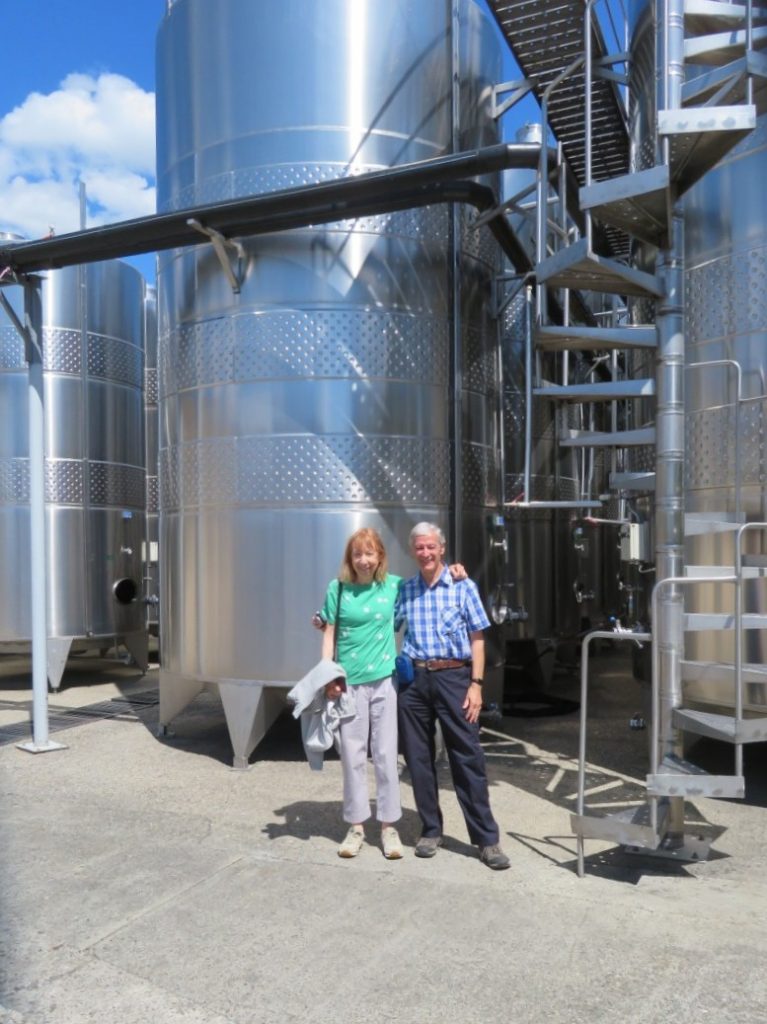
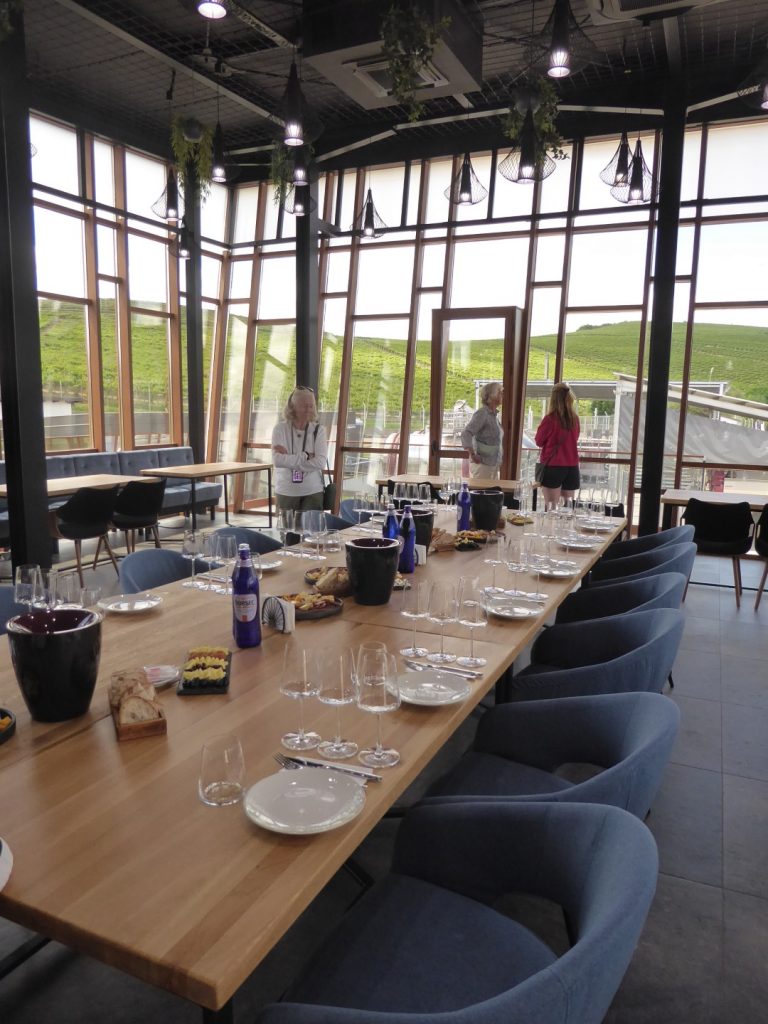
We did a mix of things exploring this part of the country. The tour round one of the largest vineyards in the country, Cotnari, producing some 14M bottles a year was impressive through the sheer size of the factory & bottling process. I have got to confess that I thought the reds were harsh & the whites we tasted lacked body or taste.
Romania 2026 Photos:
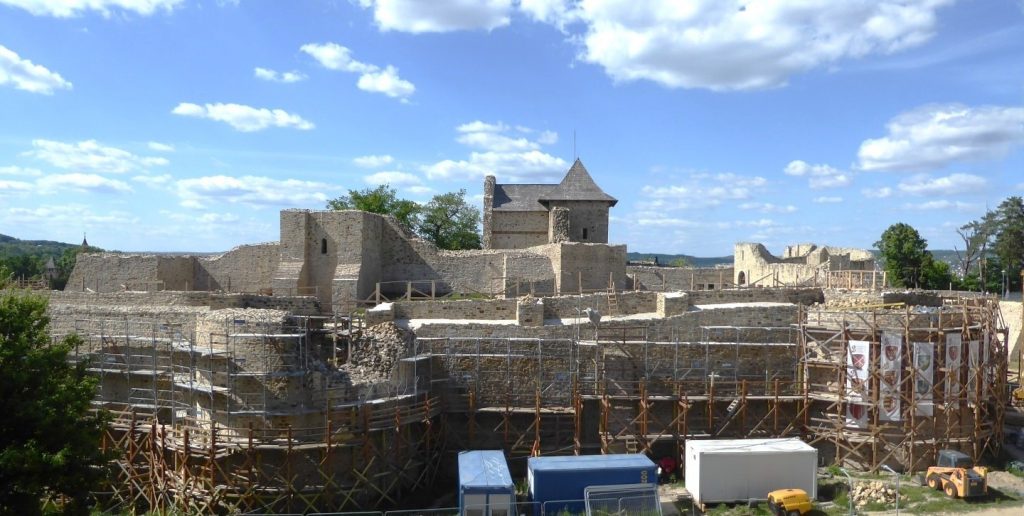
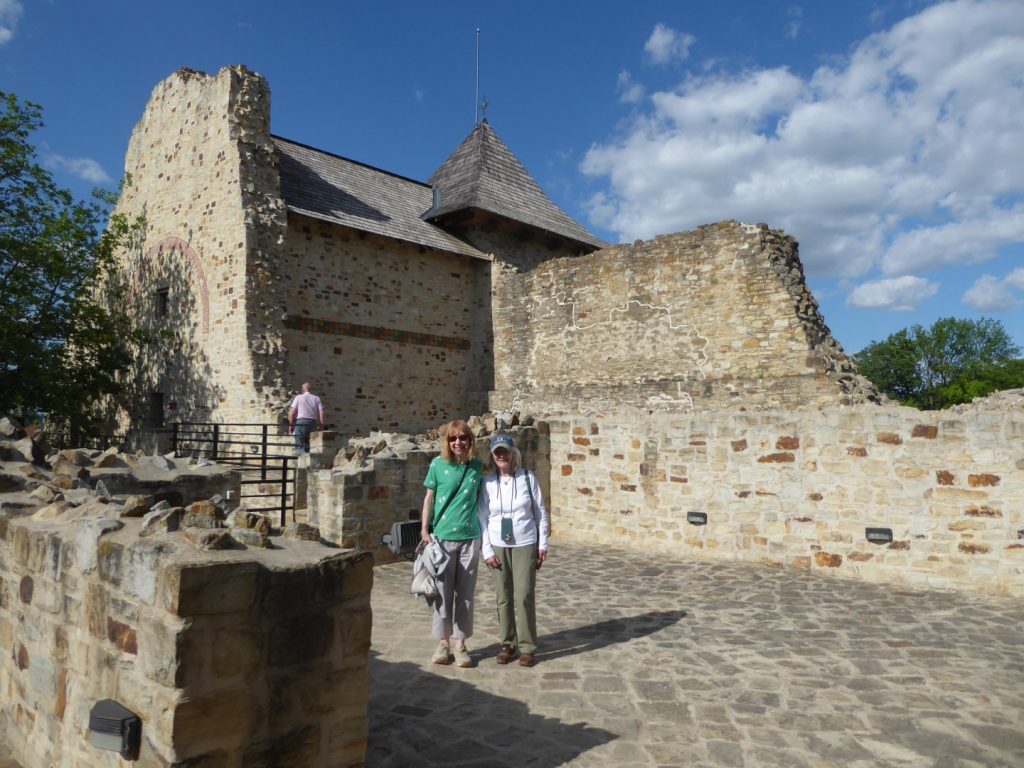
The ruin of the 14th century Seat Fortress of Suceava is being reconstructed to its former glory. Associated with Stephen the Great it played an important part in the history of the region when Suceava was the capital of Moldavia. It declined and fell into ruin when the capital was moved to Iasi in the 16th century and although never conquered by invaders it was destroyed in the following century. Something I hadn’t come across before; there are white lines on the walls which indicate that the stonework above is new and below are the original remnants of the walls. There appears to be much more reconstruction than original to this fort!
We stayed a couple of nights in a traditionally renovated wooden house, Casa Cu Cerbi; a charming enterprise run by a widowed grandmother and her daughter. Their breakfasts & dinners were good and wholesome. A very enjoyable stay here.
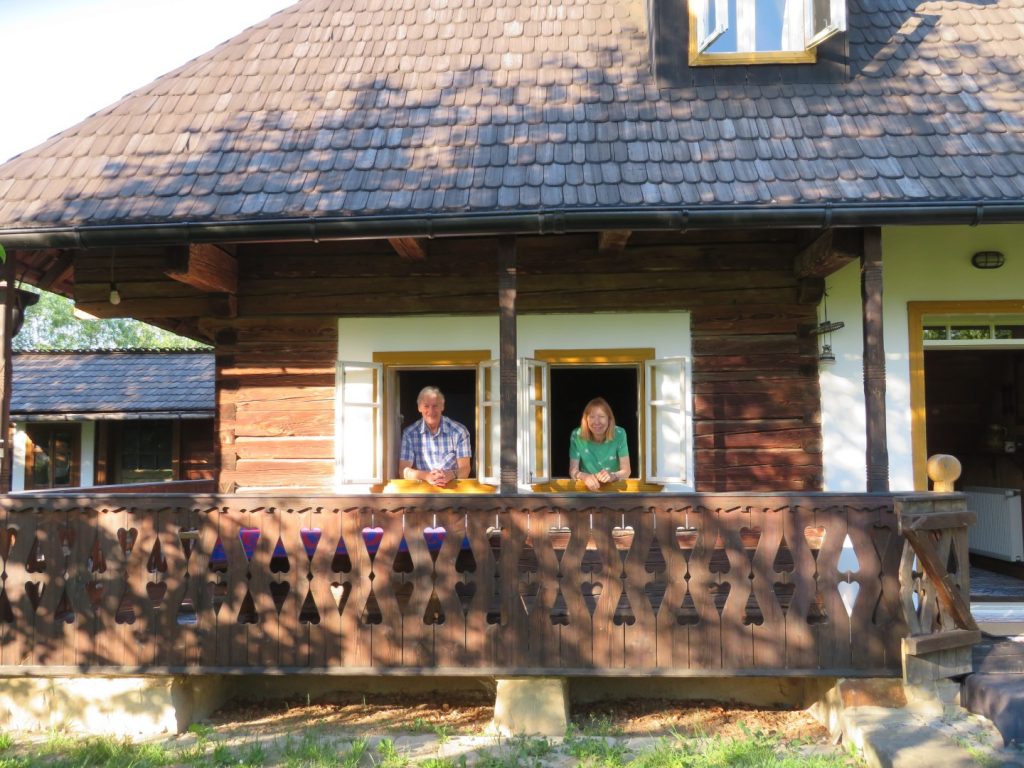
Ann & I in our cottage
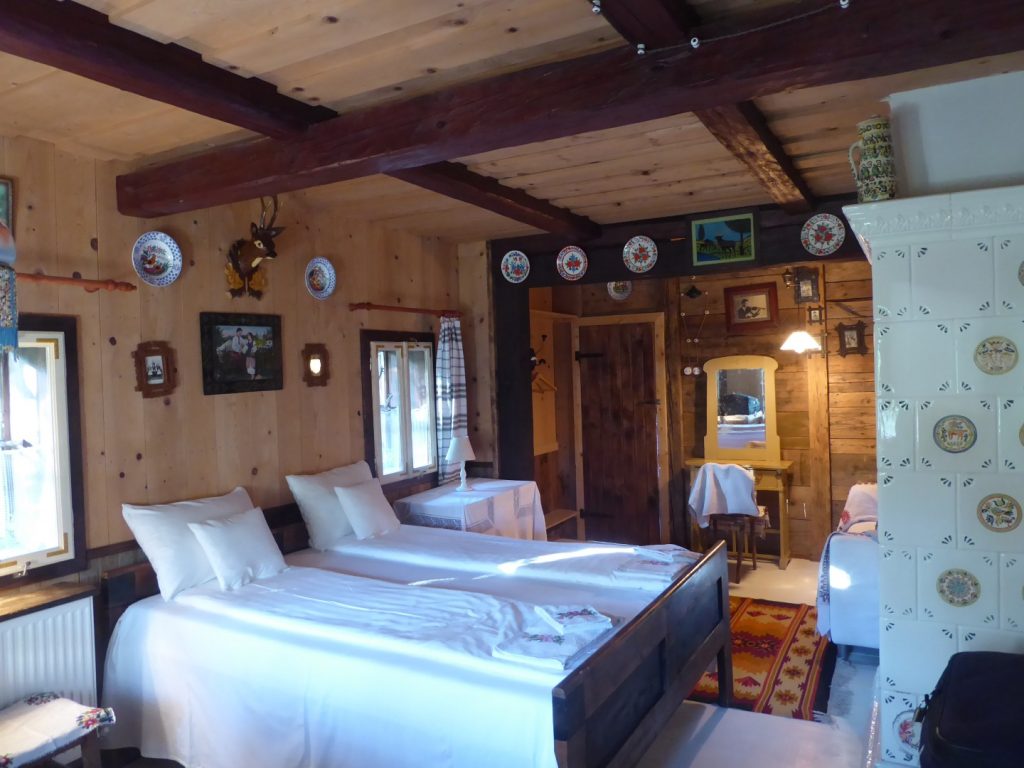
Our traditional wooden bedroom
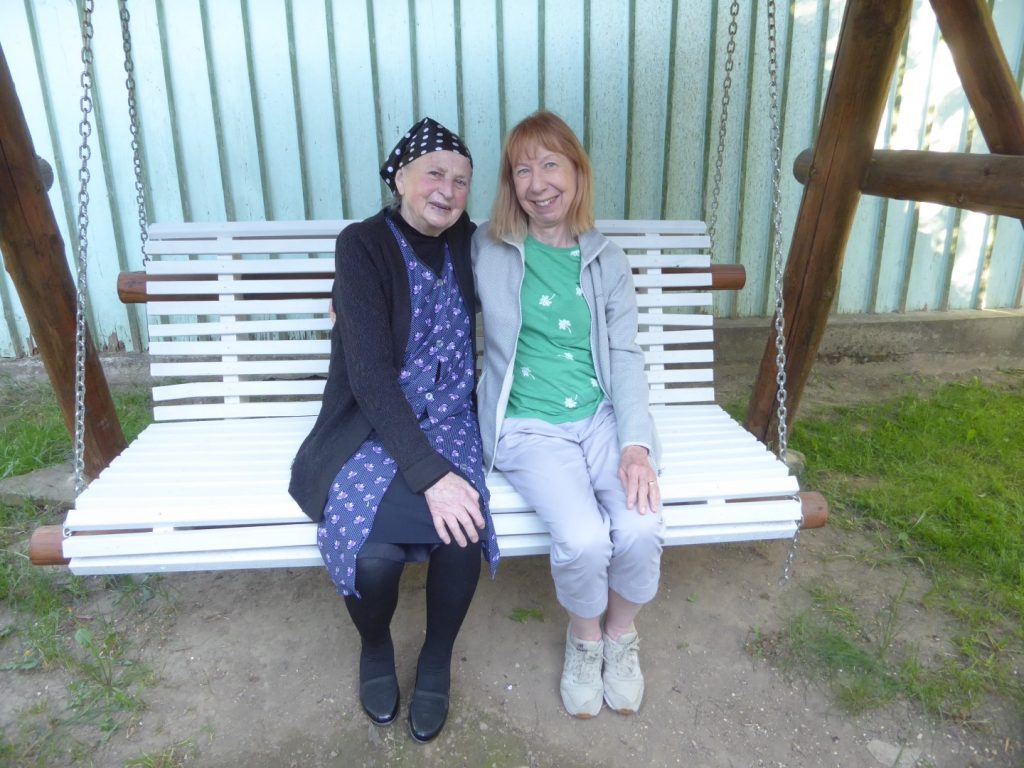
Ann cuddling up to the owner of Casa Cu Cebri
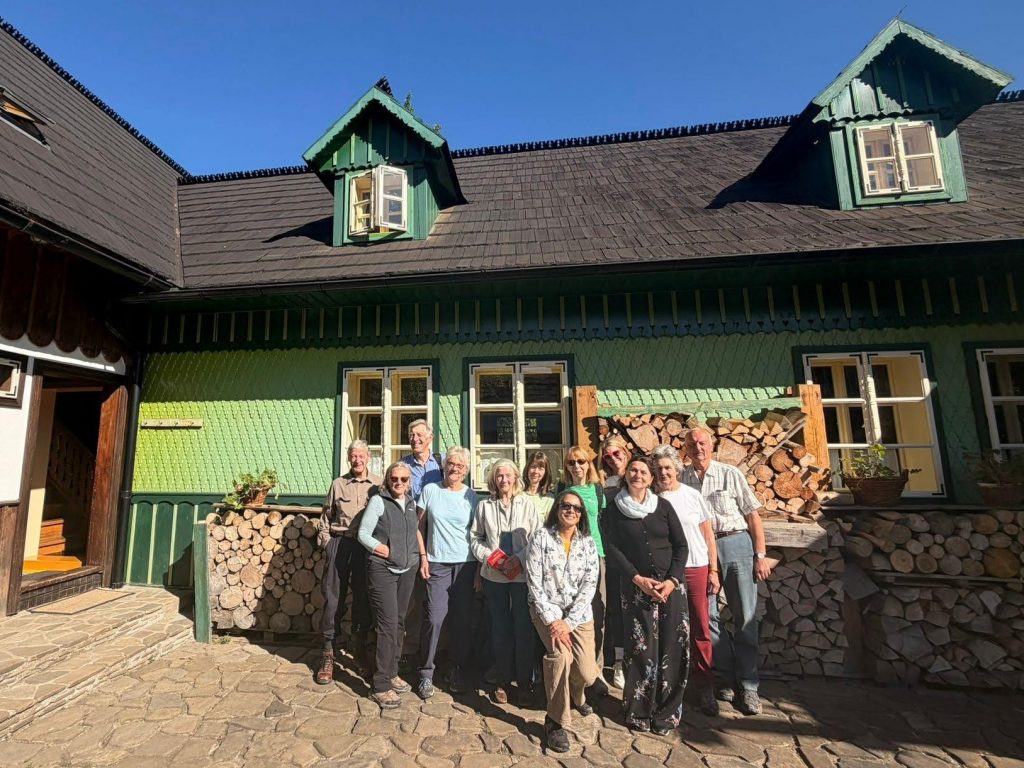
Me, Claudia, Robert, Margaret, Ali, Fiona, Ishrat, Ann, Ali, “Granny”, Penny & Richard
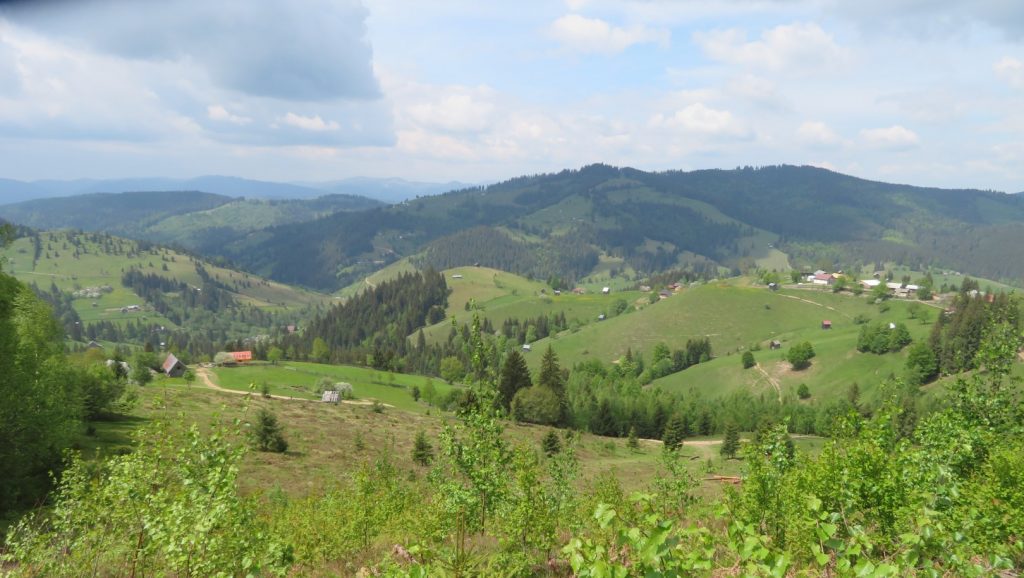
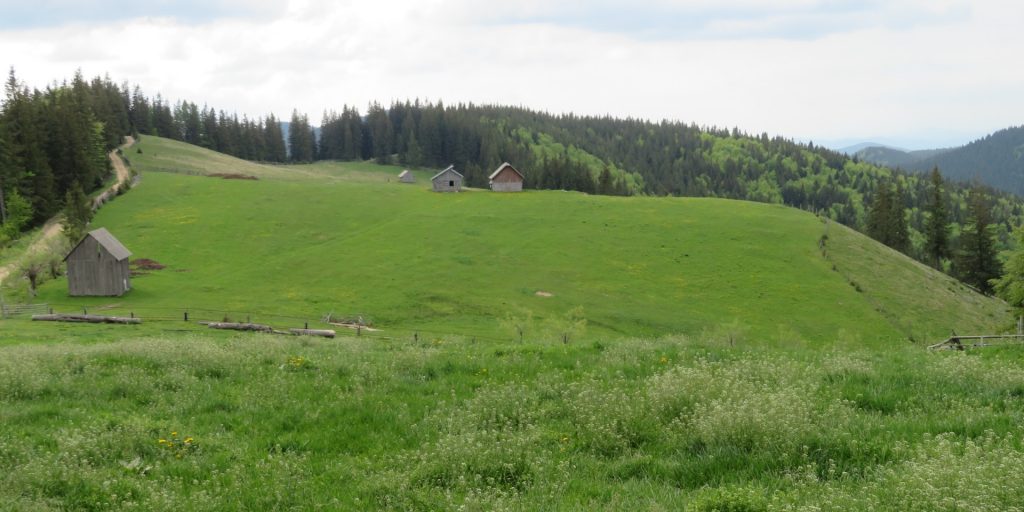
We had a gentle hike through pastures, forests and remote hamlets partly on the Via Hutulca trail. Fantastic scenery – but no sightings of bears or wolves 🙁. We ended our trek in a cemetery. Our guide pointed out some family headstones with names & their dates of birth – but the death dates left blank. It makes sense as it cheaper for a stonemason to simply add on the death date next to each name in the future. However I still thought it a bit grim & morbid.
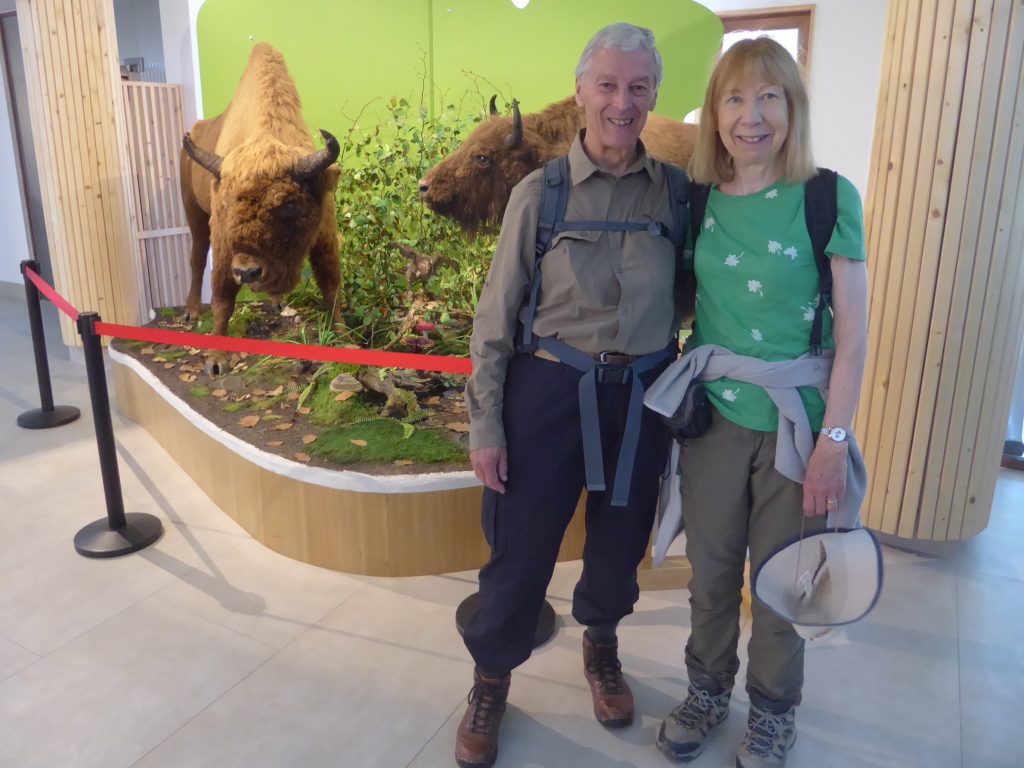
We also had a visit to Vanatori National Park to learn about the reintroduction of bison to the country. Again, except for a distant fleeting glimpse of a bison calf, we were disappointed in not really spotting any bison 🙁🙁.
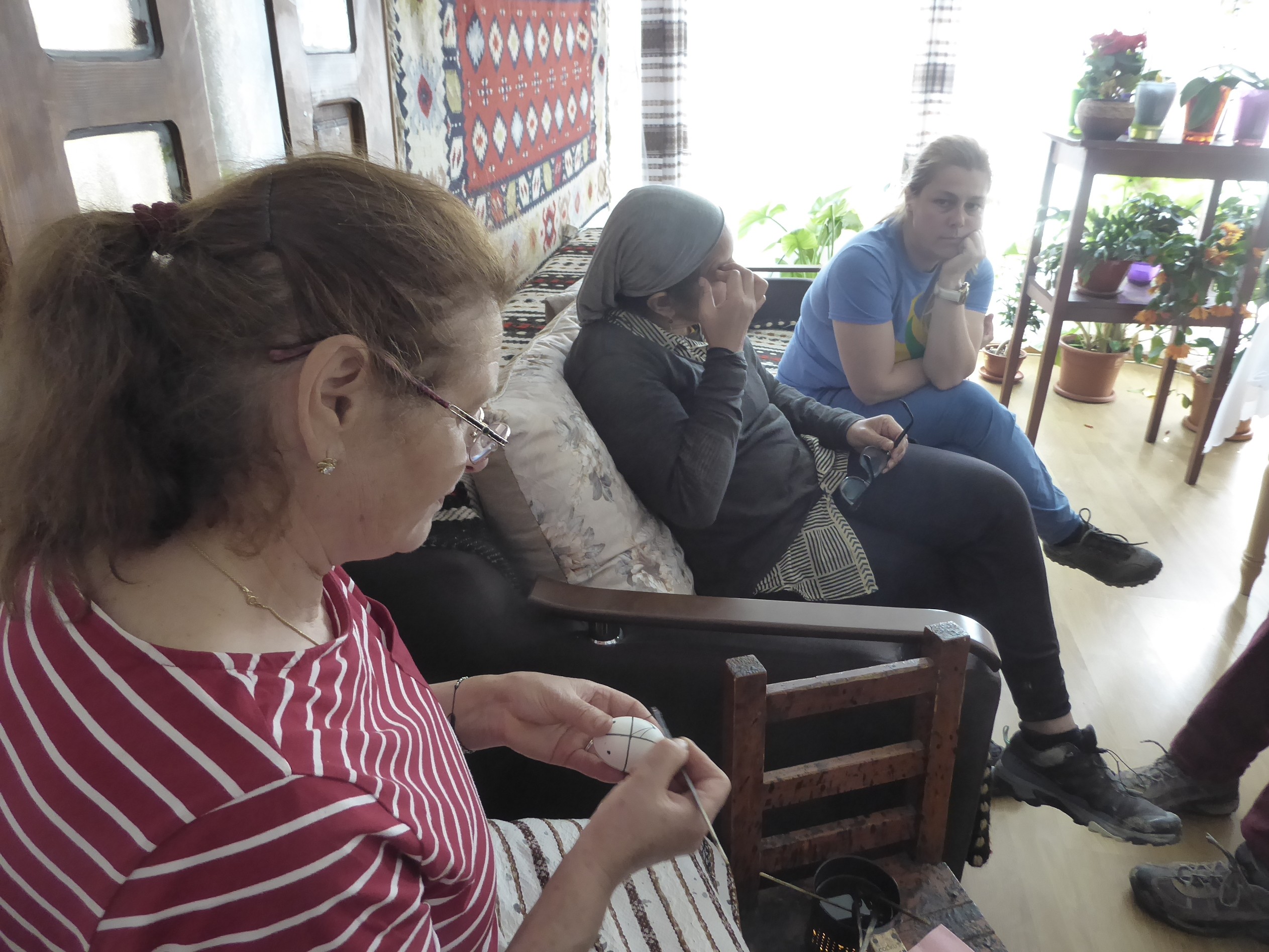
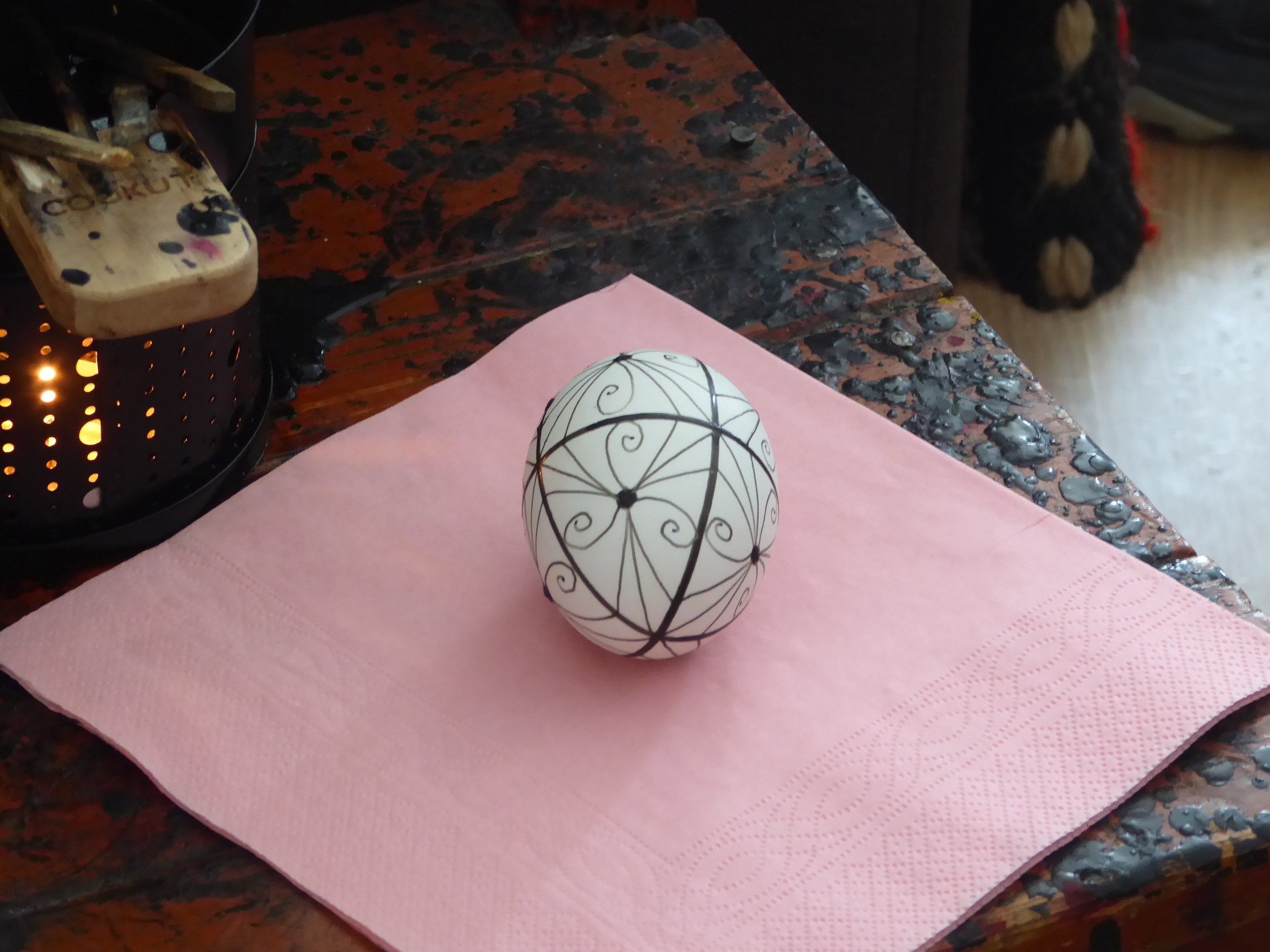
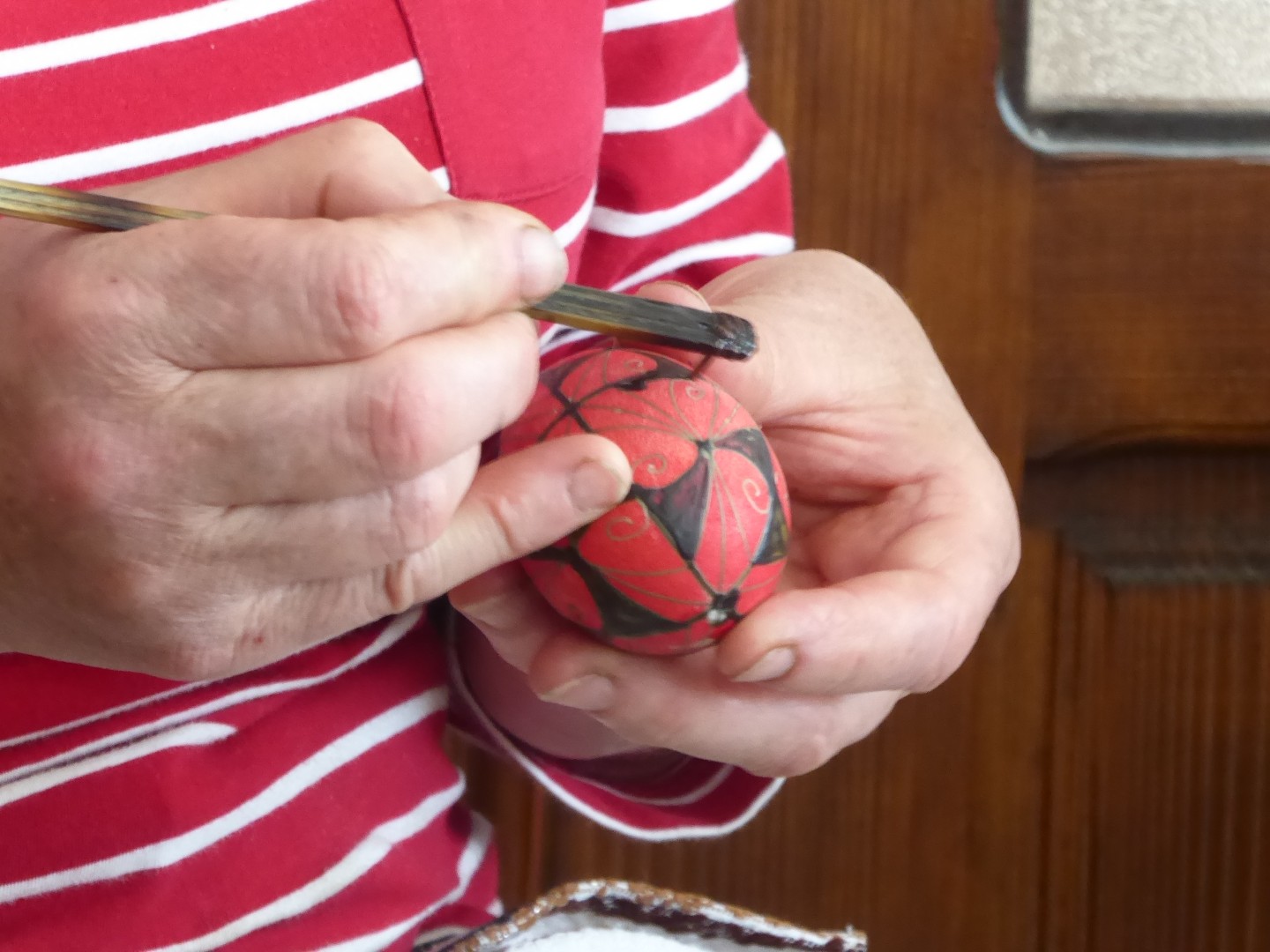
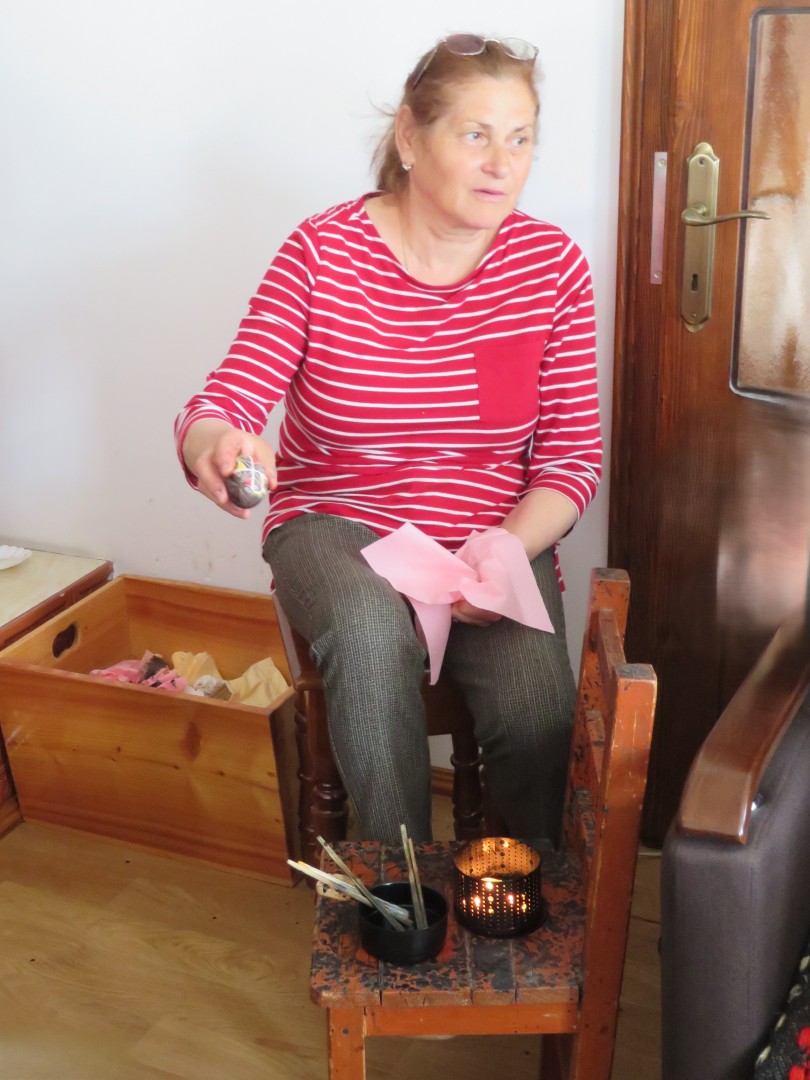
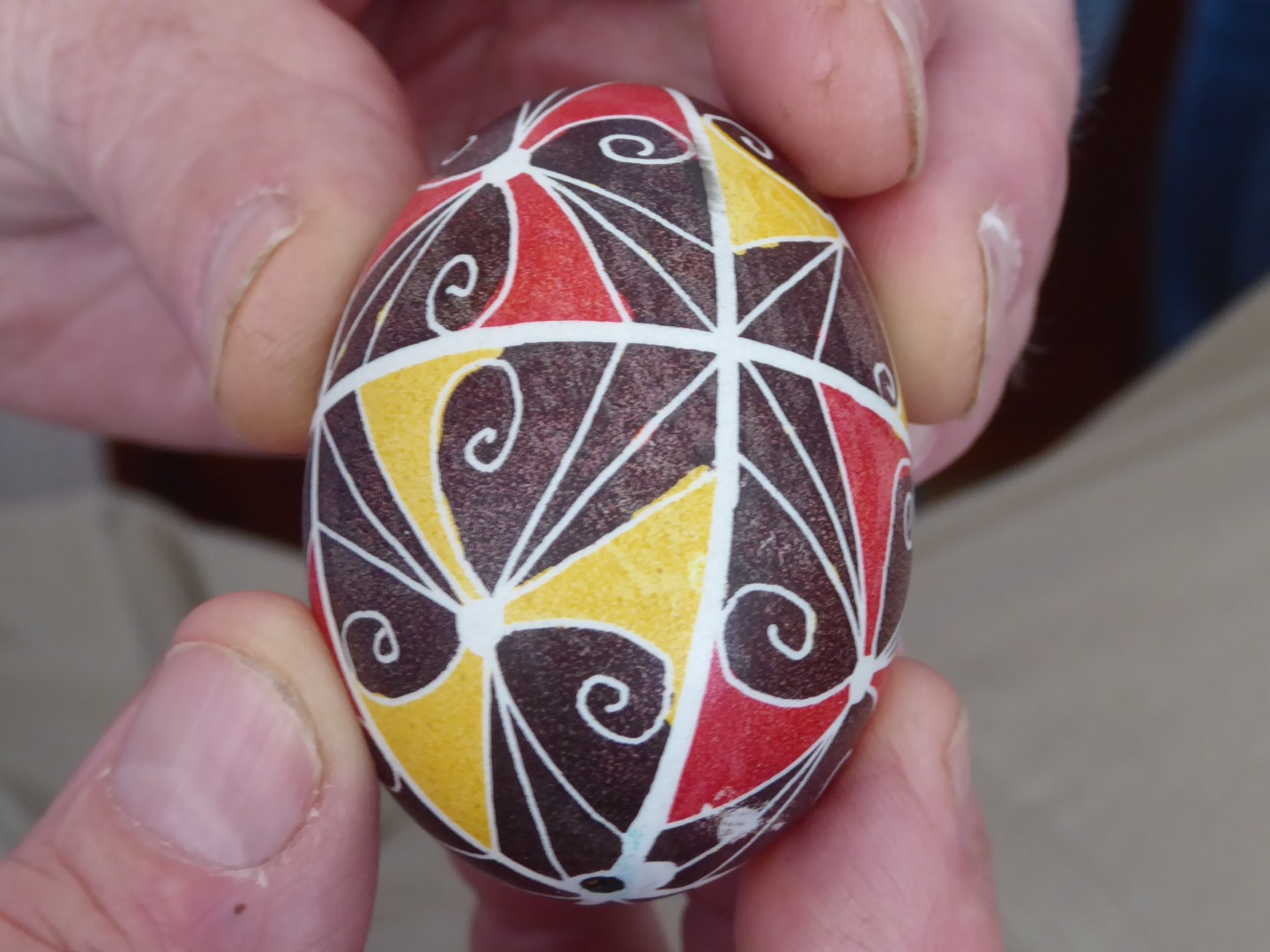
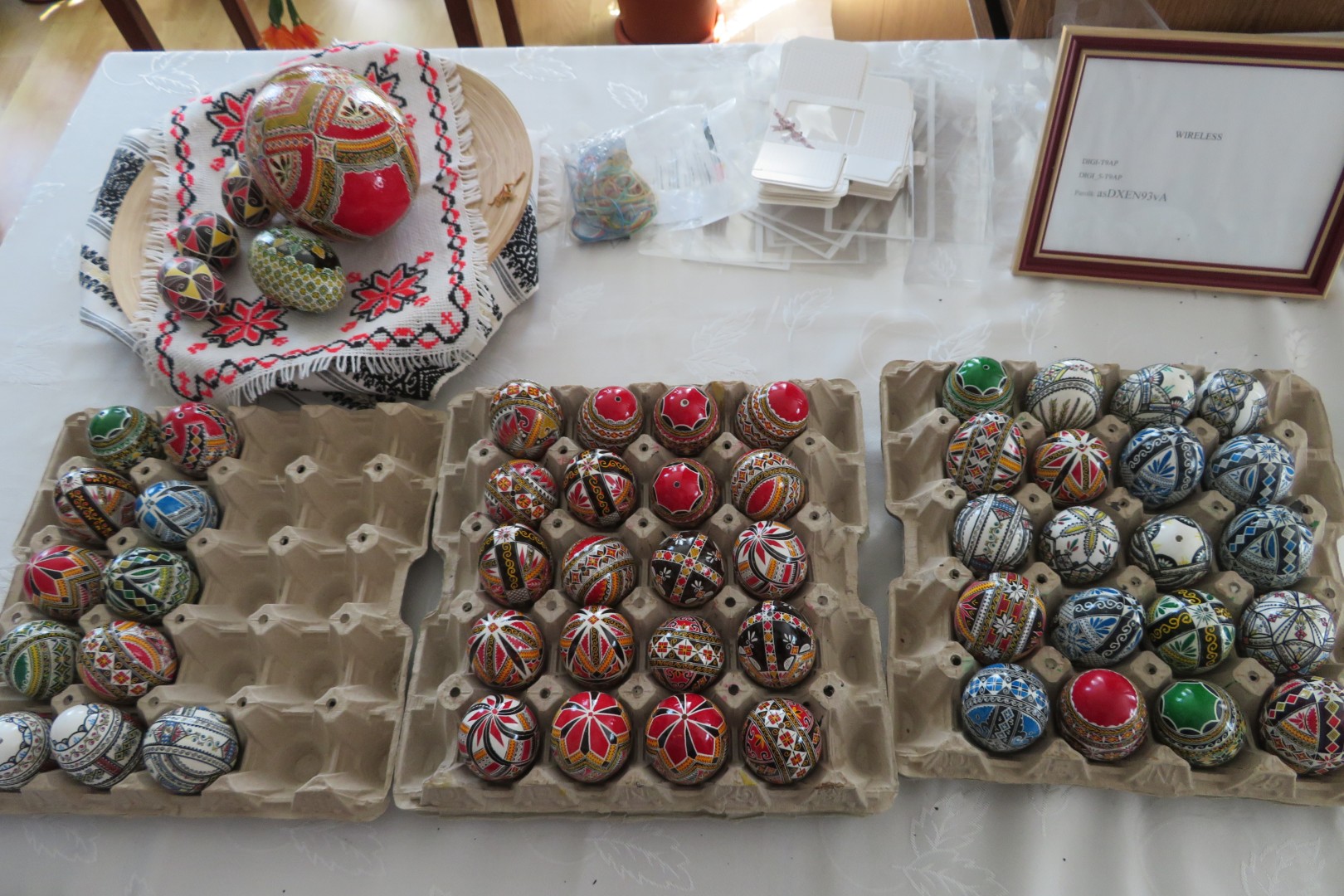
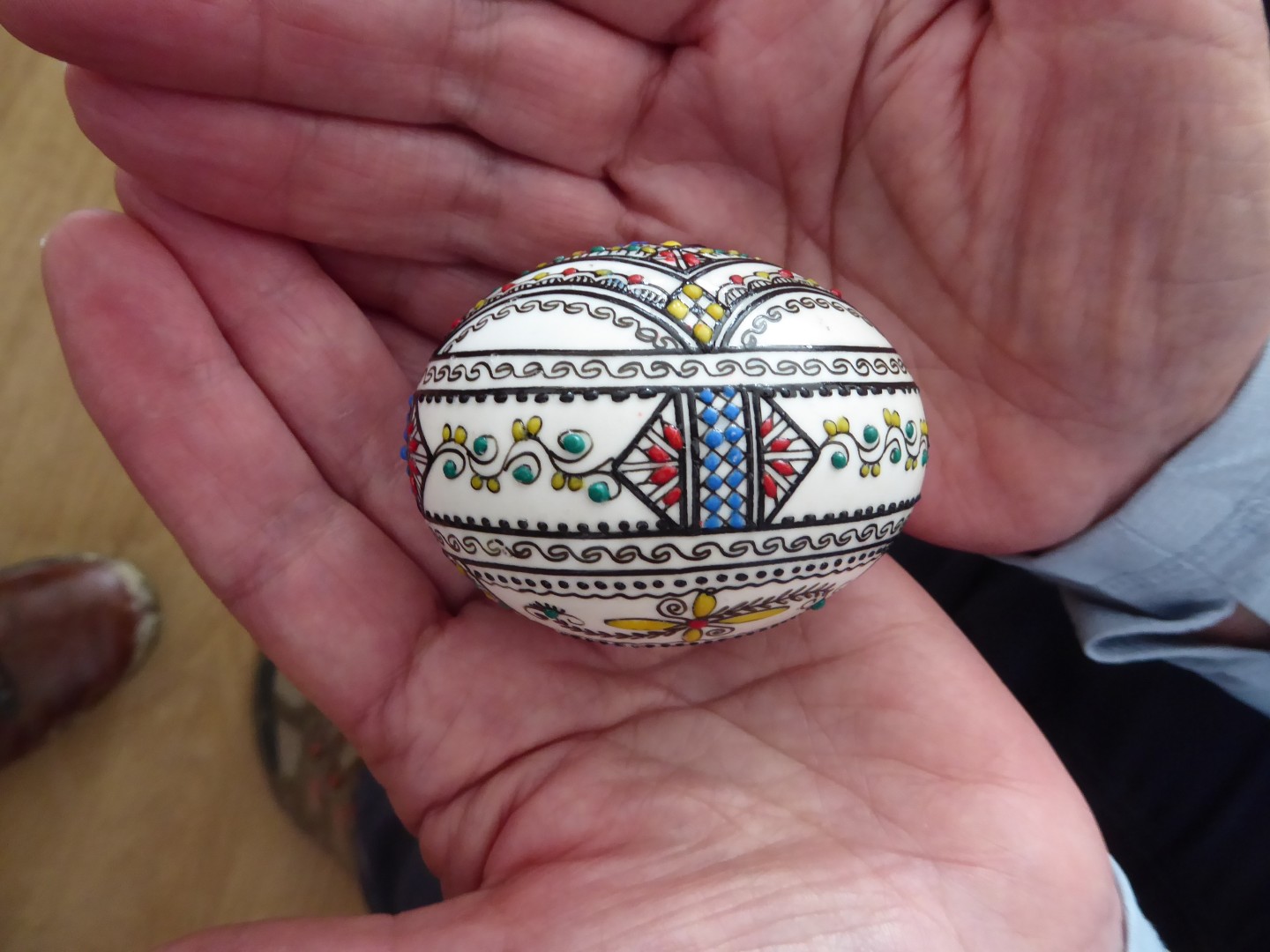
I remember as a little boy in Malta painting Easter eggs, but not very well! However it is more of a tradition in Eastern Europe and taken to a special art form in Romania. We were taken to the workshop home of an expert in the field using the batik method. The drawing technique starts by covering the egg surface in wax. Then she made the design using a special tool – called “chisita” – which is made of a thin metal that attaches to a flat stick. After finishing the first pattern, she dipped the egg into a colour. Then she put it into the melted wax to cover the dye mark. The wax has the role of sealing the dye. She dipped the egg in several other colours. With each dipping more and more ornamental lines appear.